How the illegal trade in endangered wild animals could be curbed by a law change in Hong Kong
- A proposal by a legislator, law professor and NGOs to tackle wildlife offences under the Organised and Serious Crimes Ordinance could have a big impact
- Instead of targeting the human mules who smuggle the animals, the trafficking syndicates and crime bosses who employ them would come under investigation

Seizures of smuggled wild animals are so big in Hong Kong that they are measured in the tens of tonnes. In 2019 alone, according to government figures, 30 tonnes of endangered species – live birds, insects, reptiles, fish and mammals – were seized. The figures exclude animal parts such as ivory and pangolin scales, and the wood of endangered trees.
Despite the huge volumes involved, law professor Amanda Whitfort says the situation is “the elephant in the room that nobody wants to see”.
“Wildlife crime in Hong Kong has been severely under-punished,” says the barrister and environmental law expert at the University of Hong Kong.
“Ridiculously low sentences have been handed out; they do not act as deterrents. And we have never, ever had a prosecution in Hong Kong that goes beyond the mule. We only get the guy who got paid a few hundred dollars, along with his ticket to Hong Kong. He is immediately replaced with someone else.”
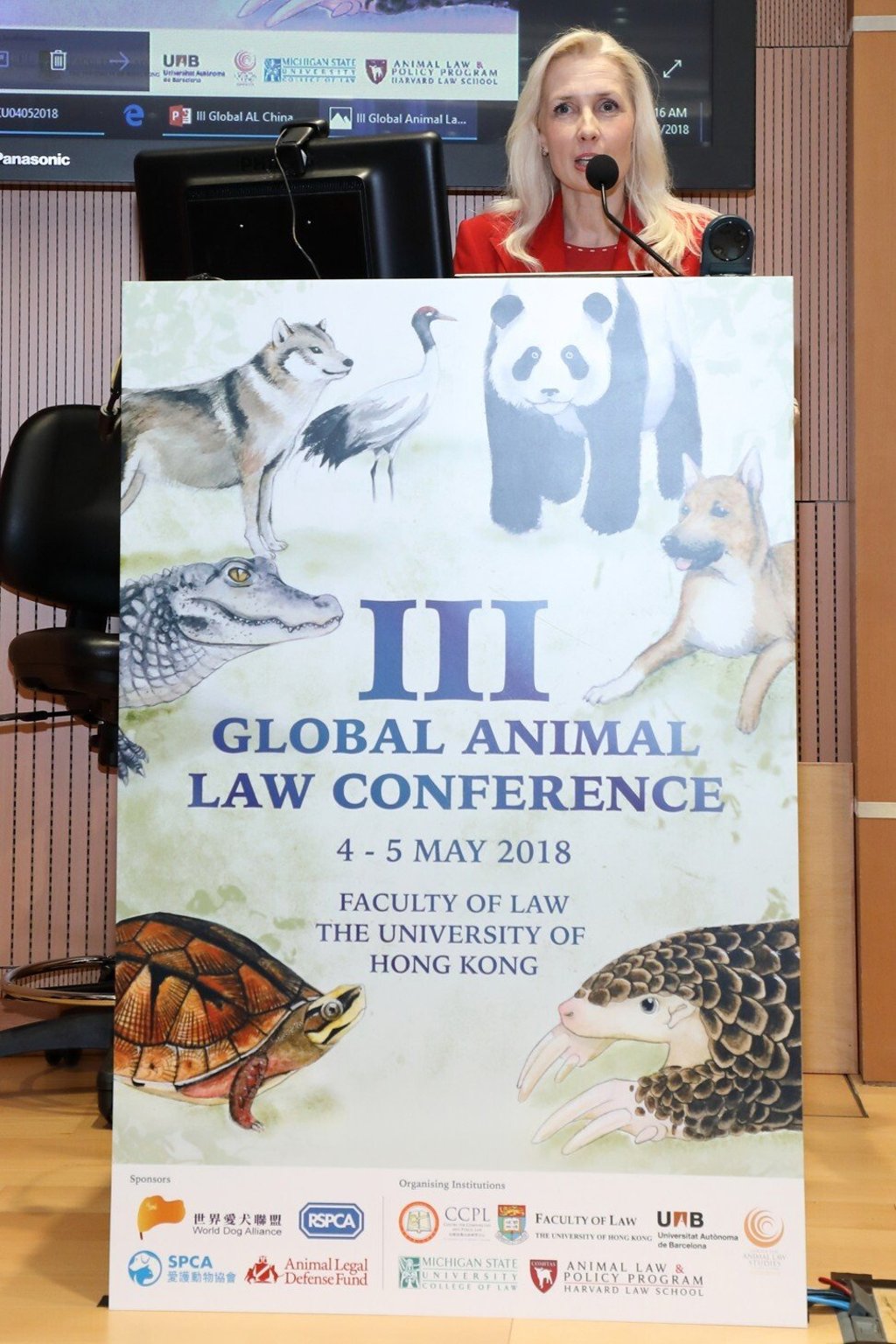
However, hope may be on the horizon. On November 2, Whitfort, with Hong Kong legislator Elizabeth Quat and NGOs Bloom, WildAid, WWF and ADM Capital Foundation, presented a white paper to the Hong Kong Legislative Council suggesting the inclusion of wildlife offences under the Organised and Serious Crimes Ordinance (OSCO). Quat intends to submit a private member’s bill on the subject this year.
Whitfort says that despite an amendment in 2018, the primary law currently regulating wildlife trade – the Protection of Endangered Species of Animals and Plants Ordinance (Cap 586) – does not give investigators the legal powers necessary to identify and go after the international smuggling syndicates that traffic wildlife through Hong Kong, or the people who run them.