What China’s post-war refugee exodus tells us about refugee crises today – author Helen Zia
- Places such as Hong Kong that accepted refugees benefited from admitting highly motivated people who pushed their children to serve, author Helen Zia says
- A child of refugees herself – her parents fled China for the US in 1940s – she learned of the traumas refugees bury writing her book Last Boat Out Of Shanghai

What do American writer Amy Tan, Tung Chee-hwa, Hong Kong’s first head of government under Chinese rule, and former Hong Kong chief secretaries for administration Henry Tang Ying-yen and Anson Chan Fang On-sang have in common? Their parents all fled China in 1948 and 1949 as the communists were about to take power.
Author and Fulbright scholar Helen Zia says that, at a time when migrant crises are rarely out of the news, these successful children of refugees make an important point.
“There’s a big lesson here for policymakers – you are actually doing yourself a favour by admitting people who are going to be so motivated to try to become contributing members of society and have their children do something that they were not able to do,” Zia told a packed breakfast briefing at the Foreign Correspondents’ Club in Hong Kong’s Central business district on March 28.
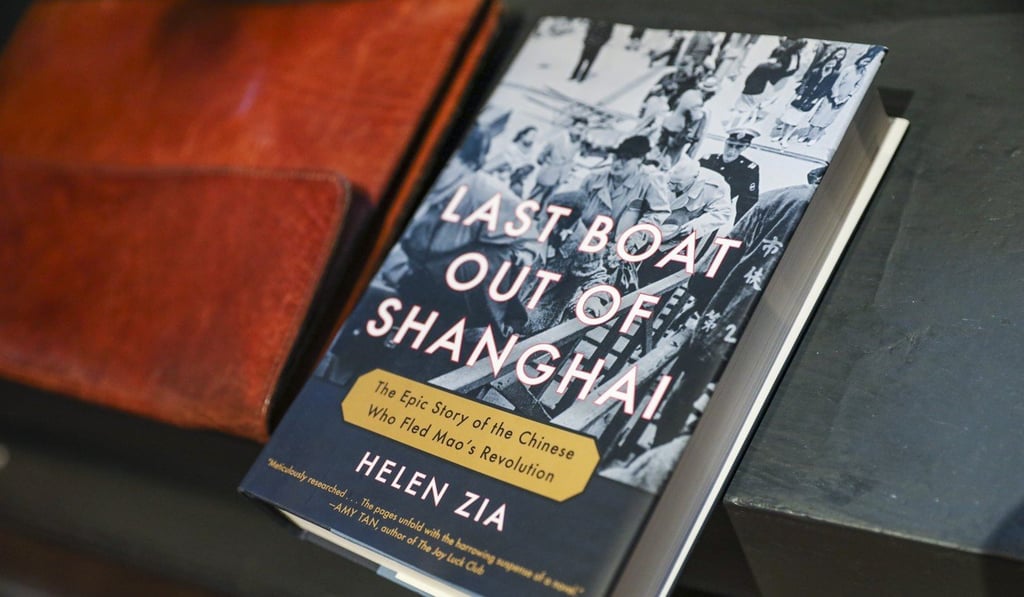
Zia was born in the US state of New Jersey in 1952 to first-generation immigrants from Shanghai. As a child, whenever she asked her mother what life had been like in China, her mother would simply say: “That was wartime, a bad memory.” It wasn’t until Zia was in her fifties that her mother felt ready to talk about that painful period and shared a story that until then she’d told no one, not even her husband.