How Malaysia and Singapore’s film industries, spotlighted by mainland China’s Golden Horse Awards boycott, are getting a boost
- Southeast Asian productions won a number of gongs at November’s Golden Horse Awards following a mainland Chinese and partial Hong Kong boycott
- The awards highlight the boost that the Malaysian and Singaporean governments have given to their respective film industries

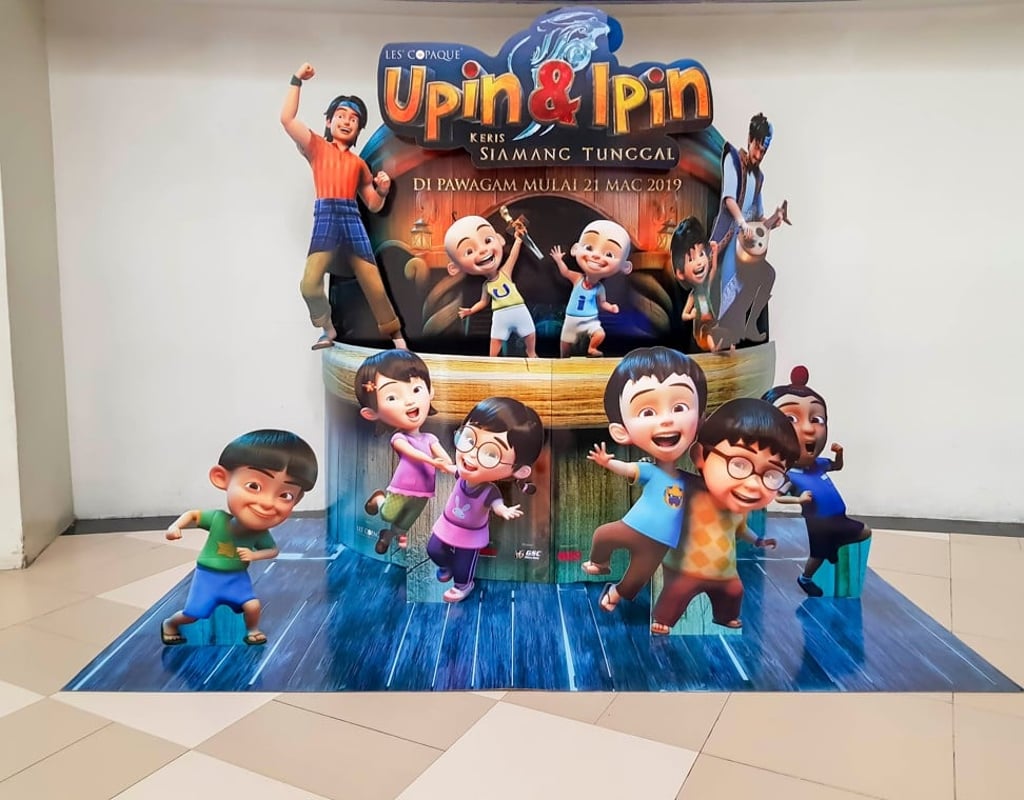
When the Malaysian computer-animated children’s adventure Upin & Ipin: The Lone Gibbon Kris was released in April last year, it beat Disney’s Incredibles 2 to become the Southeast Asian country’s highest grossing animation of all time.
A year earlier the country’s box office for domestic films broke the 100 million ringgit (US$24.5 million) barrier for the first time, with 55 local productions generating 170 million ringgit in ticket sales. That was an impressive three-fold increase over 2017, which saw domestic films bring in 57 million ringgit.
Malaysia’s box office has long been dominated by Hollywood imports, despite a mandatory scheme that requires cinemas to screen local or joint productions for a minimum of 14 consecutive days. Still, the figures are promising and local filmmakers are increasingly being offered greater support.
Hans Isaac, chairman of Malaysia’s National Film Development Corporation (Finas), says the quality of local productions has been improving. He adds that Finas plans to launch a scheme this year to help domestic filmmakers make versions of a film in two different languages, in an effort to broaden their appeal.
“They will first make the movie in Malay, then a second version in Mandarin. But it’s not just aimed at China. If a producer wants to do a Malay and a Tamil version to tap India [as well], we will support it,” he says.
“It’s not dubbing. Filmmakers will do two takes. Once the Malay shoot is done, Chinese actors will come in to do the same shot.”