To reduce youth suicide, teach children self-control and let them develop social skills, say experts
Children won’t develop resilience to face adversity if controlling and overprotective parents make all the decisions for them, experts say

What kind of child would you like yours to be?
Child No 1 studies hard and is top of their class. Child No 2 is an academically average student, but physically active and enjoys outdoor sports such as swimming and cycling.
How to prevent youth suicide in Hong Kong
Child No 1 spends most of their after-school hours from Monday to Friday either on homework or revising schoolwork. Their extracurricular activities, all arranged by their parents, include violin and painting lessons, and these activities occupy most of the child’s free time at weekends. This young student rarely interacts with other children outside of school and prefers to play online games in their rare moments of down time after fulfilling all their scheduled commitments.
Child No 2 loves to play soccer with children in the neighbourhood whenever possible, but only after they have finished doing their homework.
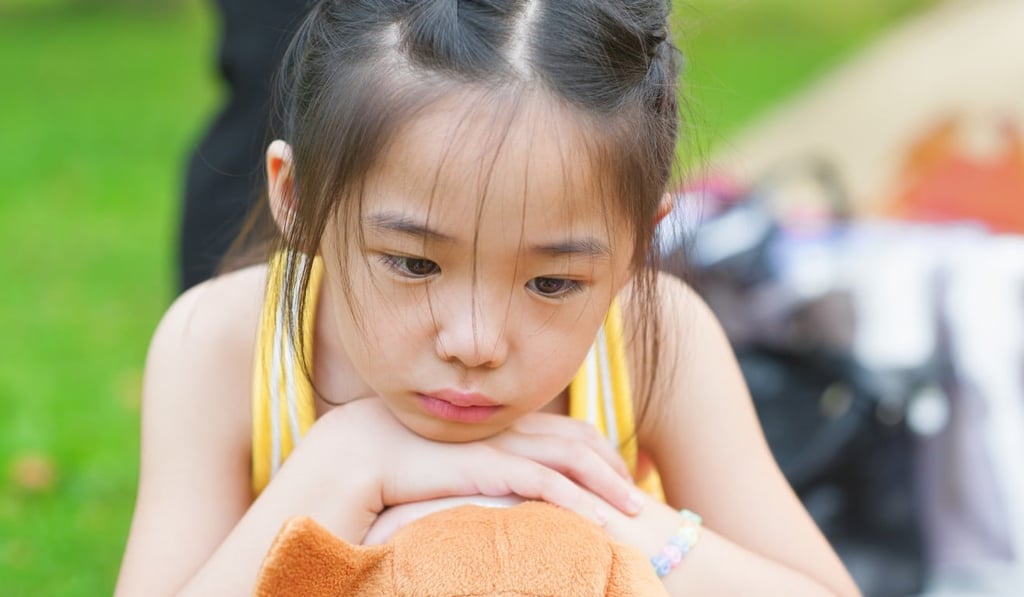
Many parents, especially those in Hong Kong, would choose Child No 1. Their life is structured and they accomplish a lot. One might imagine he, or she, has a promising future and is guaranteed to become wealthy and therefore enjoy a good quality of life.
This isn’t necessarily the case, says Paul Wong Wai-ching, associate professor in the department of social work and social administration at the University of Hong Kong.