ExplainerChinese funeral clothing explained: what people wear at lavish Taoist ceremonies and why traditional attire is in danger of disappearing
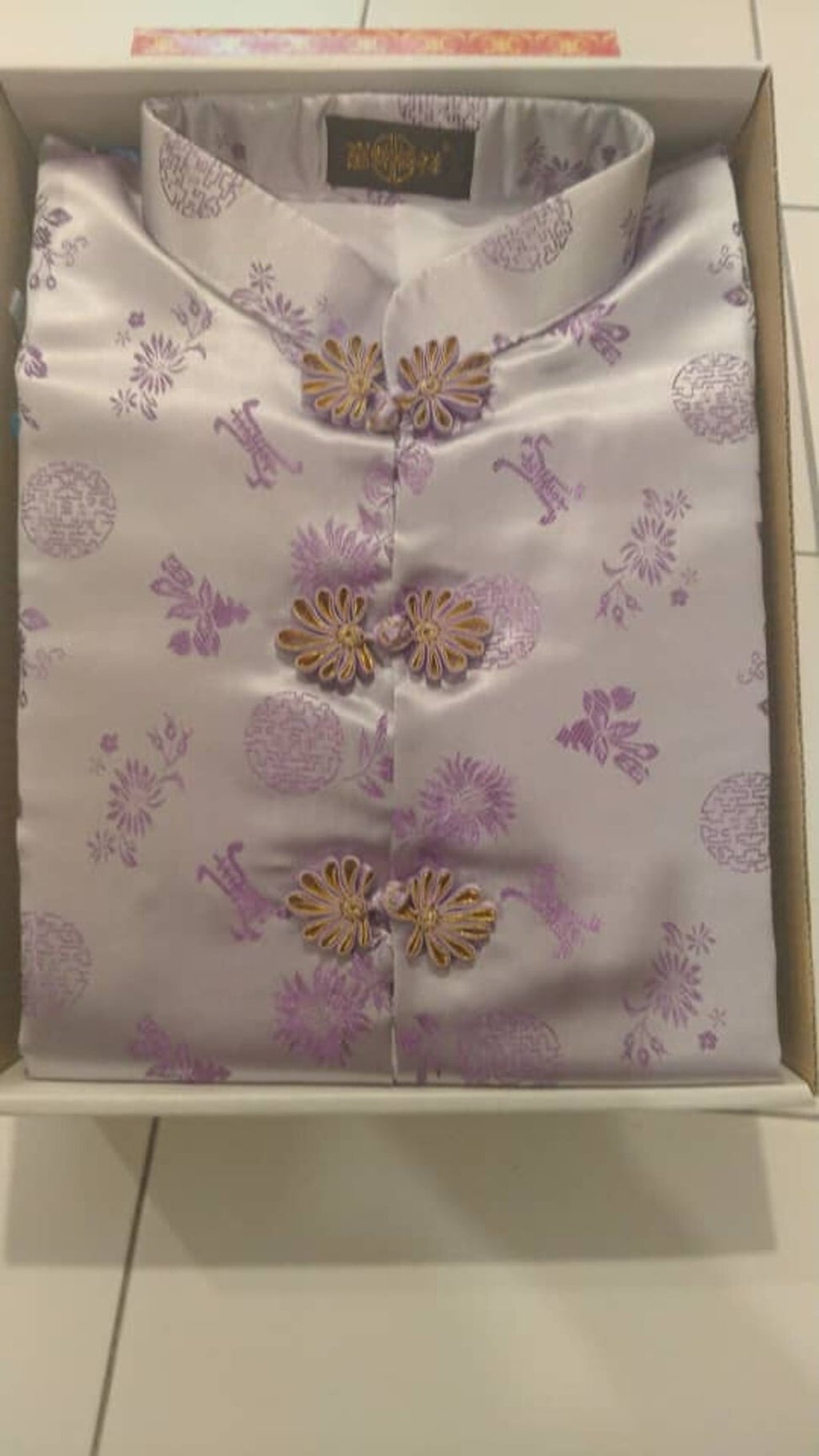
- While the deceased are dressed in the finest traditional clothing, family members all have specific attire to wear at Taoist Chinese funerals
- But with bills for funerals easily dwarfing average annual incomes, practicality is increasingly taking priority over ‘karmic investment’
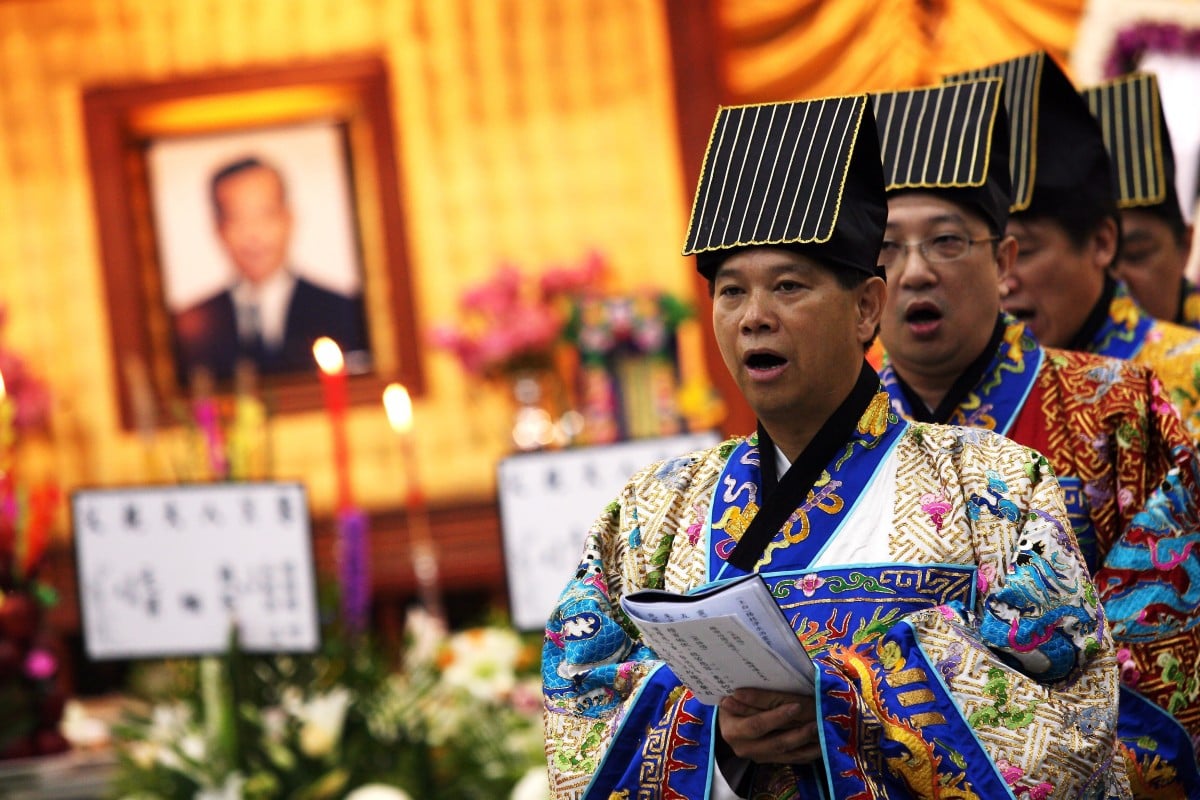
Raymond Lim Eng Sin, 39, puts on a black silk robe with ornate embroidery apparent on almost every surface. The sleeves are wide, like a kimono. A motif of a crane, a Chinese symbol for high nobility, takes up the top half of the back.
This isn’t a Shanghai Fashion Week runway showcasing a designer’s throwback pieces to sixth-century China. Lim isn’t an extra from a Cantonese period drama either. What he’s wearing is his uniform as a Taoist priest in contemporary Malaysia.
Where most cultural identifiers of the Chinese diaspora in Southeast Asia – the largest in the world – have all but vanished, there is one event where the traditional clothes of China have endured: death.
“I am the last in a long line of Taoist priests in my family – 17 generations in total. I am the fourth generation in Malaysia,” Lim says. He has no plans for his sons to succeed him.
The funerals of the overseas Chinese population in Malaysia and Singapore are known to be the most elaborate of all the races in these multi-ethnic Southeast Asian countries. And Lim works with the dialect group with the most pomp of them all: the Hokkiens, migrants from China’s Fujian province.