Grape & GrainHow to be a wine taster: calm down, enjoy the experience, and meditate if that helps
Why the pressure of an impending exam has forced one Master of Wine student to cork her vindictive inner voice, take stock, and relax before the sniff, sip and swirl

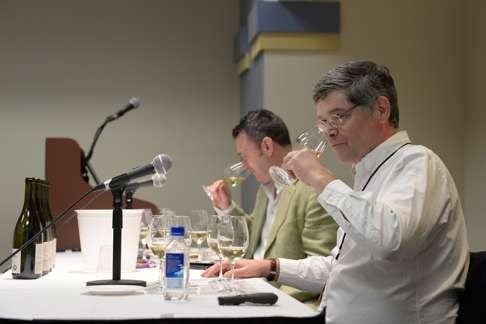
There’s only about a month remaining before my Master of Wine tasting exams, and the pressure is now somewhere between 10 and 11 on the dial. I remember from last year that this is about the time when most of us candidates begin to show subtle (and some less subtle) signs of wear – under-eye bags are darker than usual, spines like typhoon-battered tree trunks from shuttling about weighty tomes and cases of wine, teeth perpetually black from daily tasting.
Personally, I’ve found the more unsettling impact to be psychological rather than physical. For, like the apocryphal shoddy craftsman with his much maligned tools, I find I’ve recently taken to calling generally faultless, innocent wines some truly unpleasant names.
“It reeks!” I’ve heard myself say of a perfectly passable sauvignon blanc. “So boring/flabby/filthy/overblown, it’s so typically -ian” (I will spare you the name of the individual region in question, largely because I’ve said it of virtually all regions, including some I usually consider my favourites). Wines that most people would happily glug down I’ve dismissed as “undrinkable”. And once or twice, having finished a practice exam with virtually no correct answers in my script at all, I’ve simply concluded that all the wines were “absolute s***.”

The truth is that, as we get deeper and deeper into a subject, the brain becomes less instinctive and much more painstakingly overanalytical. Where the casual wine drinker (at least one reasonably familiar with a handful of grape varieties) can easily tell a pinot noir from a syrah, the Master of Wine student – under the pressure of time and the desperate will to pass – can often mix them up because a peppery whiff and a hint of purple in the pinot sent us down the wrong rabbit hole.
The ego, meanwhile, becomes much more fragile. Having been told previously that we are “talented” makes this even worse, turning a single failure – why, oh why did I write syrah? – into a life-shattering event (I wish I were exaggerating). It doesn’t help that our sense of smell is strongly affected by our emotional state, and on day three, after two particularly rough previous exams, our distressed brains will turn once inoffensive smells into something deeply repellent (surely I can blame this phenomenon for my recent bout of wine-bashing?).