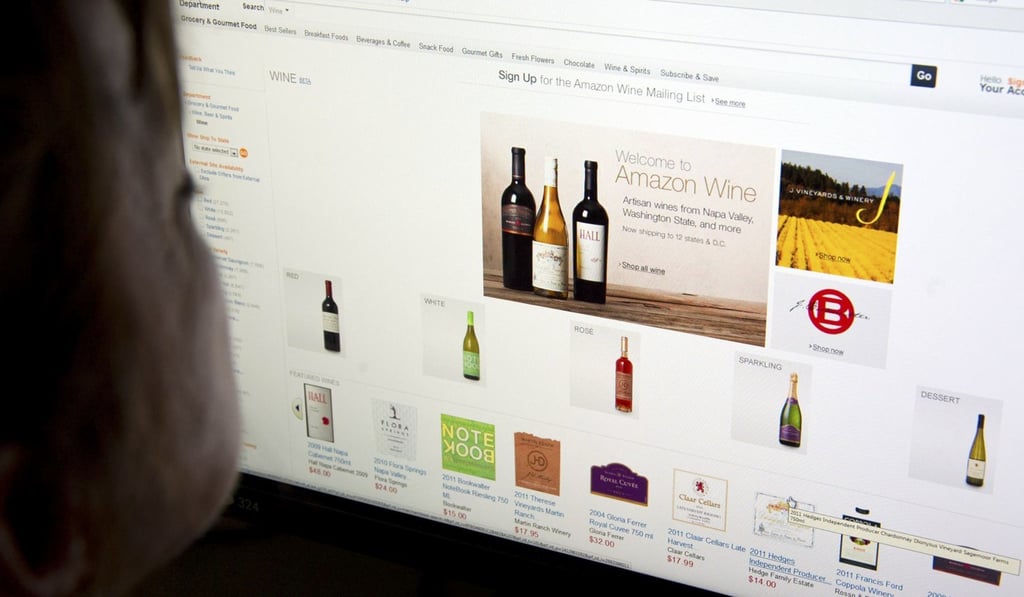
Chinese millennials should be leading the charge for wine e-commerce, but vendors fall short with marketing visuals
A wine expert finds that when buying online, Chinese consumers are faced with a deluge of information from price and origin, to more obscure facts like the ‘sobering up time’

Its one month until the Master of Wine results are released. Fortunately, I’ve concluded that even if my research paper doesn’t ultimately pass muster, the research has been rather interesting.
My topic was Wine E-commerce among Chinese Millennials. As the wine market with the world’s greatest e-commerce penetration, China should be the torch-bearer for online wine entrepreneurs everywhere.
Chinese millennials’ online wine buying habits a confusing subject
And in many ways it is. Chinese e-commerce’s advantage is that it’s both consolidated – largely occurring on a few generalist platforms such as Tmall and JD.com – and diverse – individual sellers can set up branded outlets on these platforms (much like Amazon’s marketplace, but without the interstate shipping issues). As a result, customers can shop for wine through familiar channels with familiar payment systems like Alipay and WeChat Pay, but can also – at least in theory – find any wine their hearts desire.
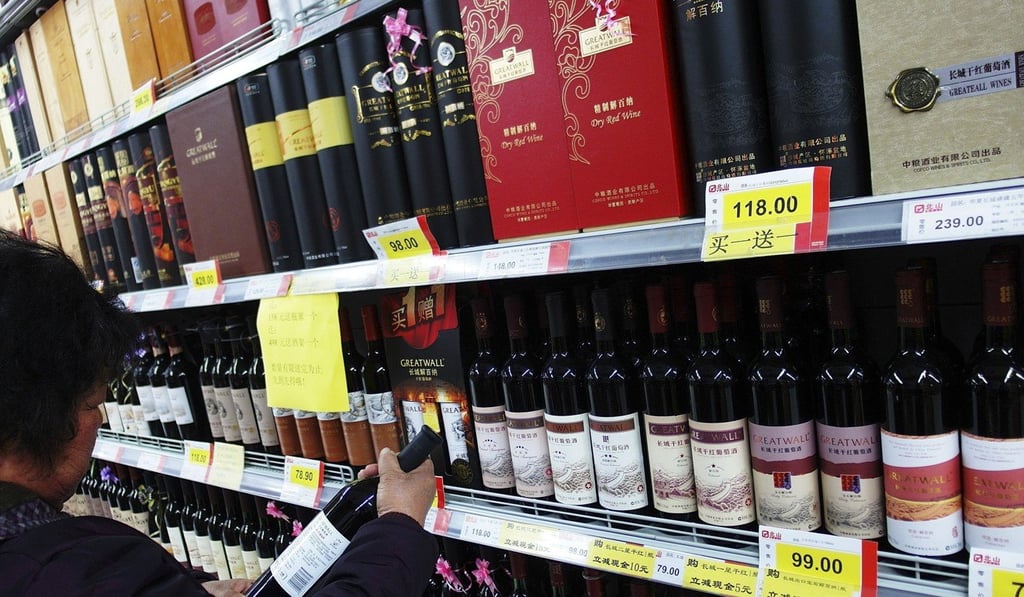
For wine vendors, e-commerce is a less of a success story. Most brands simply lack the funds required to compete. Even though the platform and logistics costs of e-commerce only amount to about 15 per cent of revenue compared to 30 per cent and more for brick and mortar, the aggressive marketing e-commerce demands somewhat levels the playing field. However, for brands with the time, energy and funds to invest – and, critically, a targeted marketing strategy – e-commerce is the clear winner.
Enter my study, which aimed to identify the most influential nuggets of information among the deluge of text and images that is on the typical online wine product page. Specifically, which bits appeal to which segments of the millennial Chinese population. Specifically, I was looking at people aged 20 to 40, with monthly salaries of more than 5,000 yuan (HK$5,850). They also had to have bought wine within the last six months.