How to forage a feast in Hong Kong: nature’s larder on Lantau Island shaping menus of top restaurants
Forager Wanda Huang heads to the hills around Tai O to harvest the wild fruit and vegetables she supplies to city chefs

Wanda Huang cuts off a large purplish fruit and strips back the oval-shaped outer husk to reveal a bunch of delicate yellow flowers. It’s a banana blossom and it’s great for adding flavour to curries and salads, she says, before reaching up to grab some small green fruit from another tree. “These are Jamaican cherries,” she says, handing over a bunch. “They’re a bit green but when they turn pink, they are so sweet.”
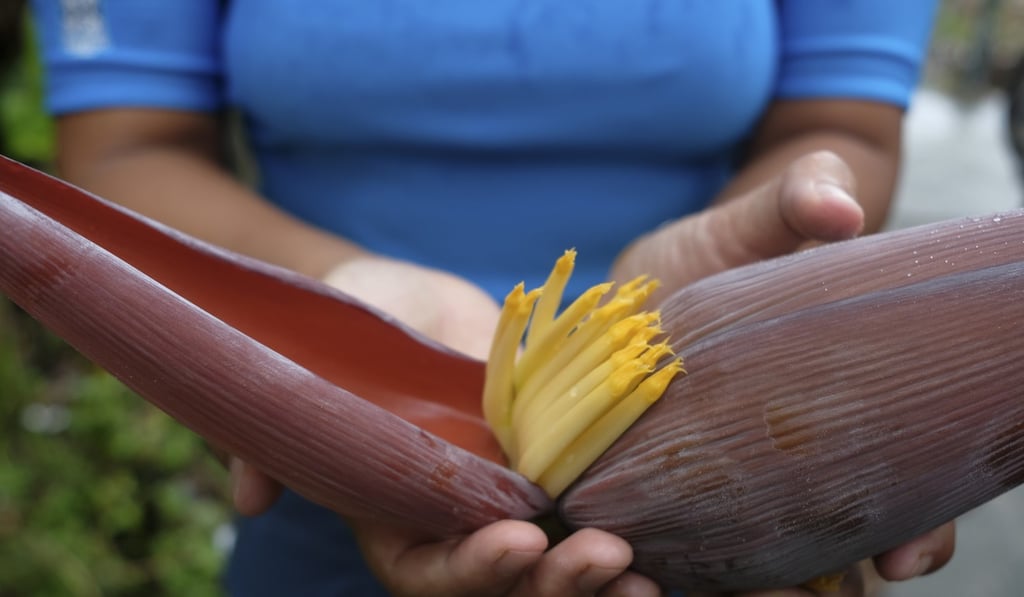
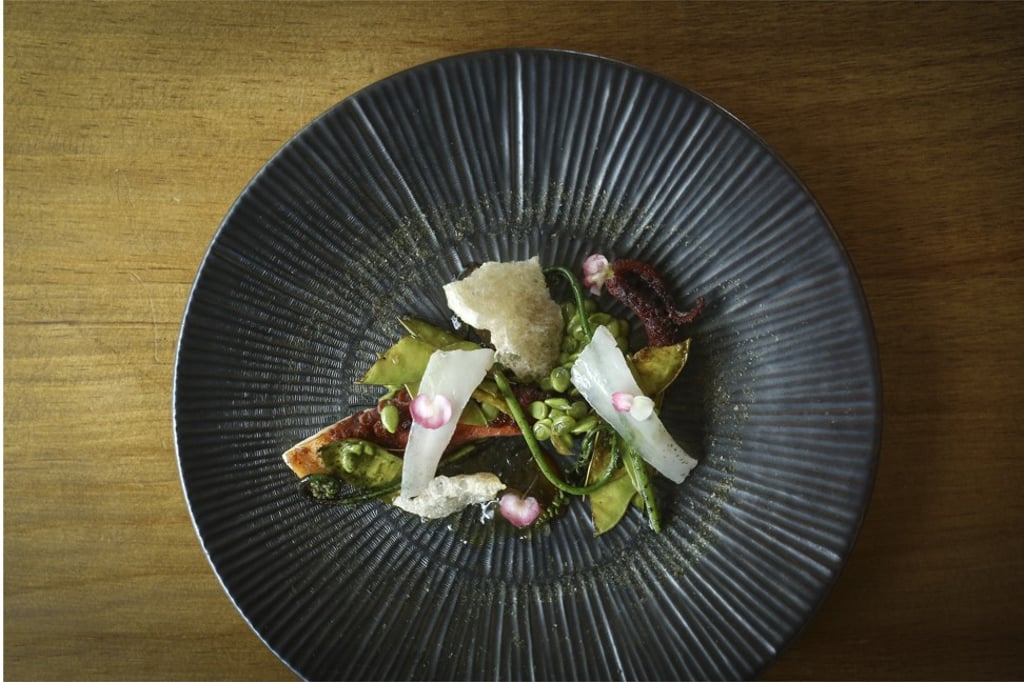
Huang is a forager and today we’re exploring the coastline around Tai O on Hong Kong’s Lantau Island. Joining the forage is American Don Trimble. He runs private kitchen Chomchomyomyom in Sheung Wan and is one of a handful of chefs in the city who incorporate Huang’s foraged ingredients into their dishes. Trimble’s philosophy of using seasonal ingredients in innovative ways aligns with the idea of foraging. The local ingredients often shape Trimble’s menu.
“If people could taste a plant that was just harvested, and compare that with a product that’s been out of the ground for three weeks and shipped through five countries to get here, well, they would change their mind. I like to share with my guests the joy of tasting that freshness,” he says.
Foraging is not new. Humans have roamed the earth for tens of thousands of years, gathering plants and hunting animals. Then, from about 12,000 years ago there was a shift from hunting and gathering to agriculture, which began independently in different areas around the world.
With an aim to leave the smallest carbon footprint possible, many people are now seeking to reconnect with nature and the land. Danish chef Rene Redzepi helped popularise the movement by adding wacky foraged foods to dishes at his two-Michelin star restaurant Noma.