
Mouthing OffWhy gastronomic bias may be the last bastion of imperialism – and why Asia’s oppressed noodle dishes need some upbranding
Diners in Asia will spend an arm and a leg on Old World cuisine, yet balk at paying anything like the same for local fare. But is one plate of ravioli really worth four bowls of soup dumplings? No wonder we ended up with Iberico char siu

You know what’s funny? Hearing people say a HK$200 (US$25) plate of ravioli is reasonably priced at a fine-dining Italian ristorante in Hong Kong, while at a local noodle joint they howl that it’s grand larceny if a bowl of wonton costs more than HK$50.
Think about it: they are similar foods using similar ingredients. The Italians might use expensive cheese or parma ham, but good-quality shrimps used for wonton are not cheap, either. Even if you argue the food costs in the premium ravioli are higher, is one pasta worth four bowls of soup dumplings?
The economics of gastronomy has its own weird caste system. People think that certain dishes have to be inexpensive to be authentic and valued, while also believing that Old World cuisines should cost an arm and a leg, even if the main course consists of a grilled chicken breast.
The bearded and tattooed expat chef might argue: “Oh but our poultry is organic, raised on black truffles, bred on an estate once owned by the Marquis de Lyon and we can trace the hen’s lineage back two centuries.”
Does that make their imported filet de poulet exponentially so much more expensive than the HK$59 grilled chicken with spaghetti in black pepper sauce I had for lunch in a canteen in industrial Ngau Tau Kok?
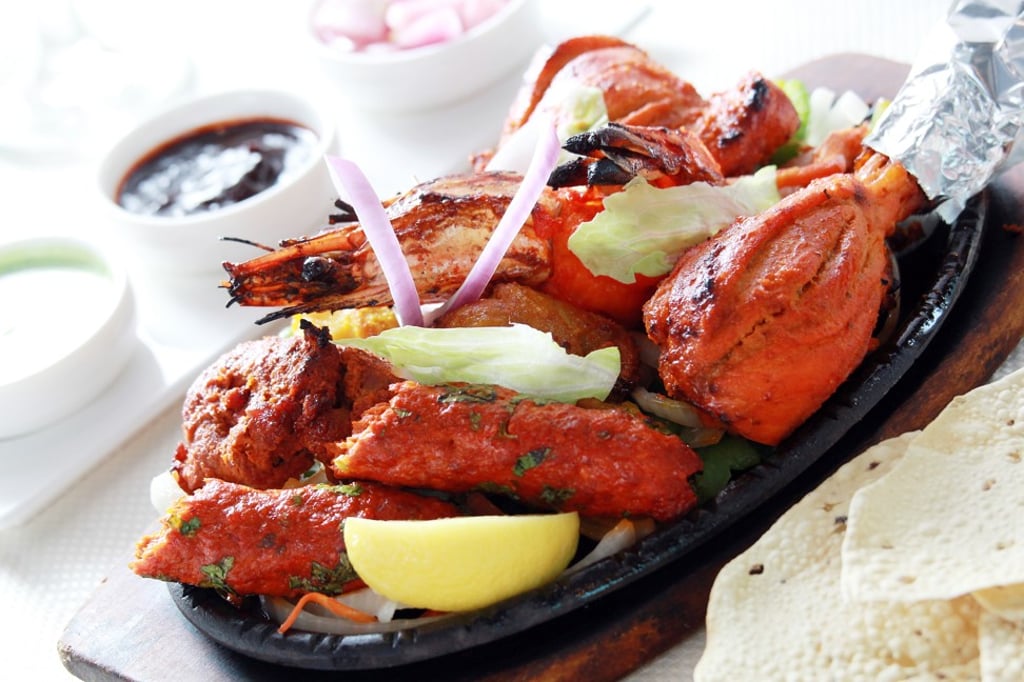
Sadly, we’ve accepted this culinary hierarchy as normal. No matter how good an Indian restaurant is, people expect it to cost what it would at Chungking Mansions, and won’t pay fine dining prices for dal or tandoori. That is not just what the customers say; that is what an Indian restaurateur told me, and explains why he can’t put his high-end Indian restaurant on a ground floor location where the rent will be higher.