Mongolia for foodies: gamy lamb, air-dried yak and camel, curdled milk, and dumplings galore
- Mongolia’s weather defines its food like few other destinations, with meals heavy in meat and dairy products and full of unique flavours
- Visitors can arrange to stay in tents next to families and dine with them

Mongolia is probably not at the top of the average foodie’s list when it comes to culinary destinations. The country is well known for Genghis Khan and the yaks roaming its vast grasslands, but food? It is just not why people visit there.
As is often the case, though, it is food that provides a window on the country’s unique culture and people that make Mongolia such a beguiling place to visit.
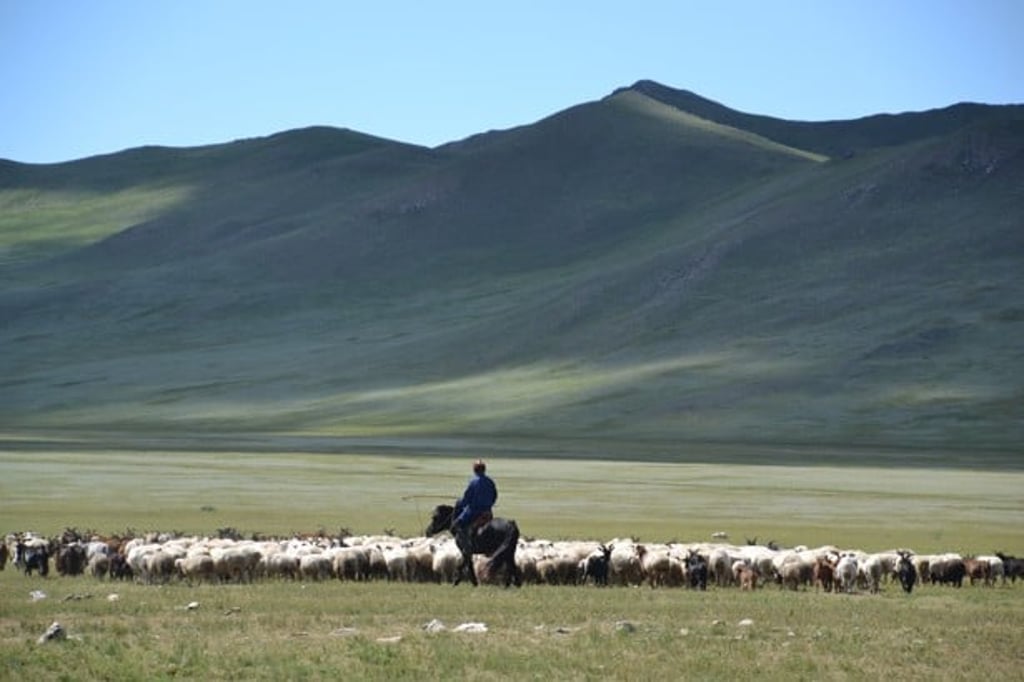
The flight time from Hong Kong is four-and-a-half hours, a little more than to Singapore. As the plane descends to the capital, Ulan Bator, you see nothing but rolling green landscapes dotted with groups of traditional nomadic homes called gers. In Hong Kong, an average of about 6,700 people inhabit every square kilometre; in Mongolia, the world’s eighteenth largest country, it is just two.
Ulan Bator means “red hero” and is home to 1.5 million people, half the country’s entire population. A key transit point for travellers, it is also a city of extremes: it is the world’s coldest capital, with temperatures regularly going as low as minus 35 degrees Celsius (minus 31 degrees Fahrenheit) in winter, but one that also boasts very warm summers and 200 days a year of blue skies.
There are a few five-star hotels, a smattering of fast food joints, as well as by far the country’s widest collection of restaurants. Most international visitors only spend as long in the capital as they need to, however, preferring to explore the breathtaking landscapes that begin on the city’s doorstep.