Hong Kong’s milk tea: how it went from a beverage inherited from another culture, to a symbol of the city’s identity
- Milk in tea is nothing new, but Hong Kong’s rendition is particularly unique
- “The use of evaporated milk was initially a coping strategy because fresh milk was too expensive for ordinary people and difficult to get”
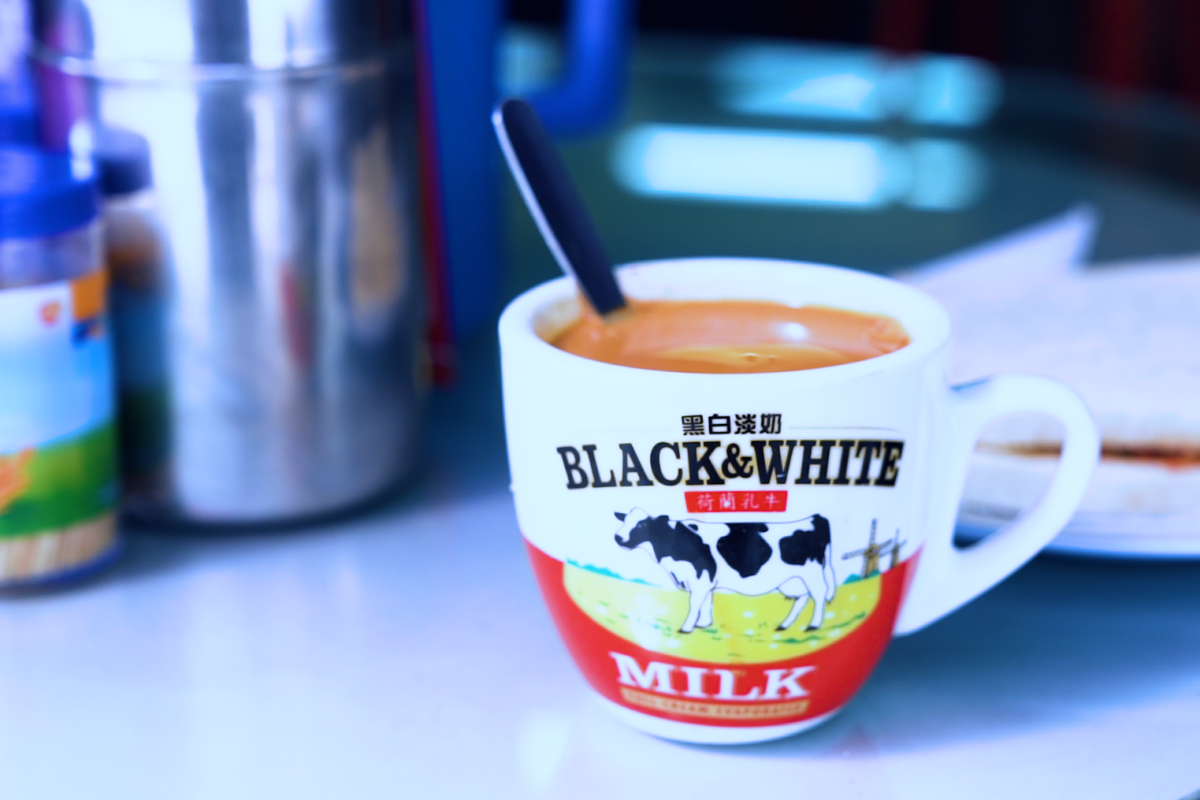
In Hong Kong, milk tea is a ubiquitous beverage that’s found on nearly every block. The city is estimated to drink around 2.5 million cups of milk tea a year — that’s 8.5 Olympic-sized pools of the brown beverage.
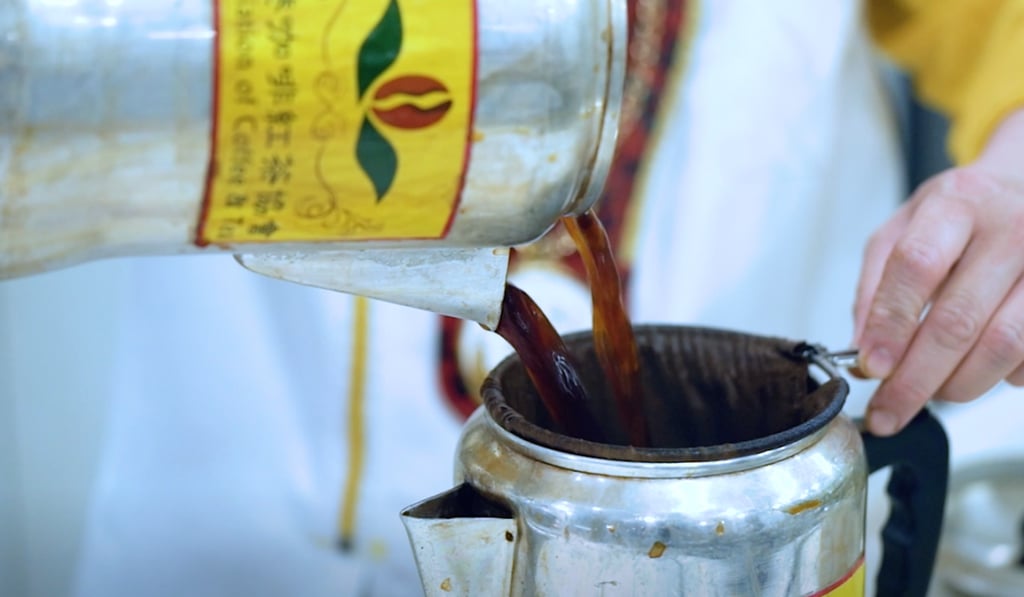
While milk in tea is nothing new, Hong Kong’s rendition is particularly unique. It’s a mixture of tea from heavily oxidised blended black tea leaves and evaporated milk, at a general ratio of 70 to 30. The tea is boiled and strained through a cloth filter multiple times, a process called “pulling”.
Enthusiasts say the rate and height at which the tea is pulled is what makes or breaks the beverage.
But to understand Hong Kong’s iconic milk tea of today, let’s go back to its origins.
All tea styles (green, black, white, oolong and so on) come from one plant, the Camellia sinensis. Although tea was originally from China, Hong Kong’s milk tea is instead sourced from Sri Lanka, thanks to British influence from the territory’s colonial past.