Chinese water spinach, or kangkong – eaten widely across Asia, but considered a weed in the US
- In Southeast Asia, where the vegetable is most prevalent, it is cooked with chilli, shrimp paste and fermented bean sauce
- Early European records note the plant’s extreme productivity; it can grow both on land and in water

If you grew up in Asia – or have had some exposure to its food – you’ve most definitely encountered the Chinese water spinach, sometimes called morning glory.
A long, crunchy vegetable with a hollow stem, it’s usually served as a side dish, draped with a blanket of minced garlic, water, a pinch of salt and a touch of umami (usually from MSG).
In Southeast Asia, where the vegetable is most prevalent, the simple garlic and water slurry is elevated with chilli, shrimp paste and fermented bean sauce.
Despite its name, Chinese water spinach is not actually a spinach. It’s not even in the same plant family, and the misnomer might be the fault of grocers, who tend to assign the word to anything miscellaneously leafy and green.
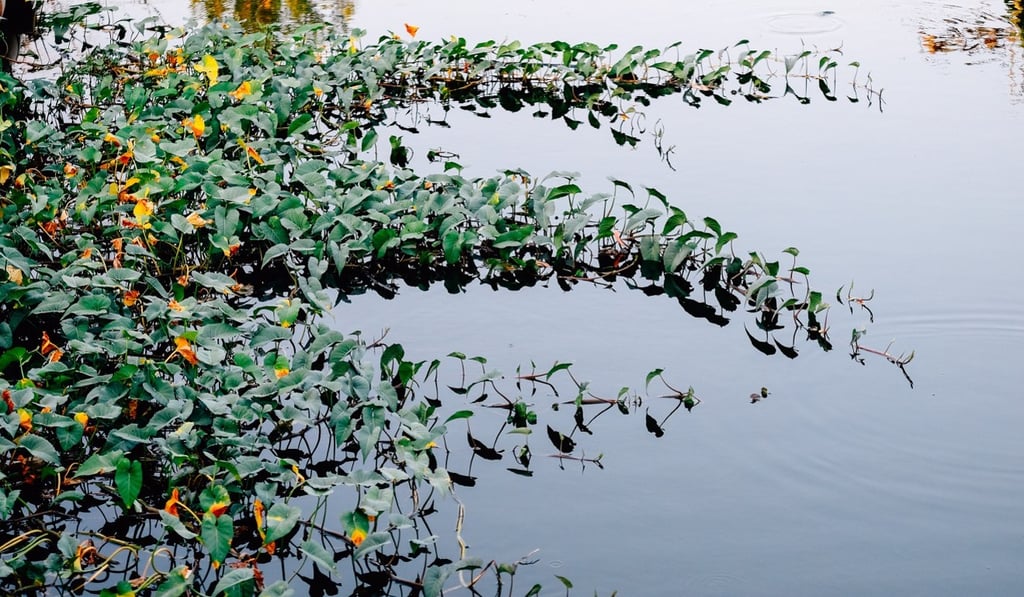
The Chinese water spinach, or Ipomoea aquatica, is part of the morning glory genus, named for their trumpet-shaped flowers that peak at full bloom in the morning.