Chinese bitter melon – why the polarising ‘gentleman’s vegetable’ is just misunderstood
- Some people love the bitter melon, especially when blanched with saltwater; others abhor its flavour
- In the proper climate, its fast-growing nature can make it a great edible perennial
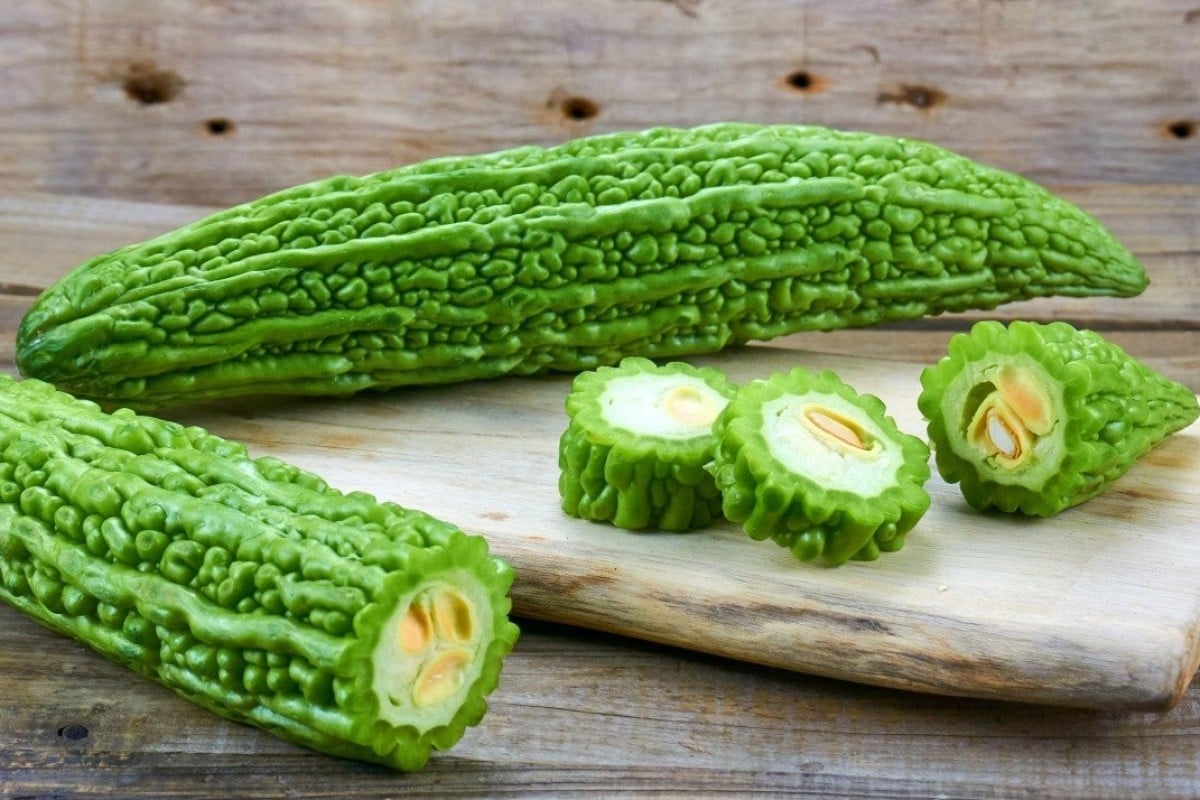
Bitter melon is a polarising plant. Some people love it, others abhor its bitter flavour.
Despite the name, the taste is actually not too overwhelming. In Chinese cuisine, bitter melon is sometimes called a “gentleman’s vegetable” because it doesn’t impart its bitterness on other ingredients when cooked. You’ll often find it stir-fried with fermented black beans or gently tossed with salted duck eggs.
Its bitter taste is lent by compounds called cucurbitacins, substances that can be found in watermelon, squash, cucumber and other gourds.
The plant is a tenacious climber, holding onto anything and everything that comes its way. It’s indigenous to South Asia, and its wide reach has led to two general varieties: one called karela, found primarily in India and distinguished by its forest green exterior; and the Chinese bitter melon, which is more elongated, smoother and has a paler green hue.
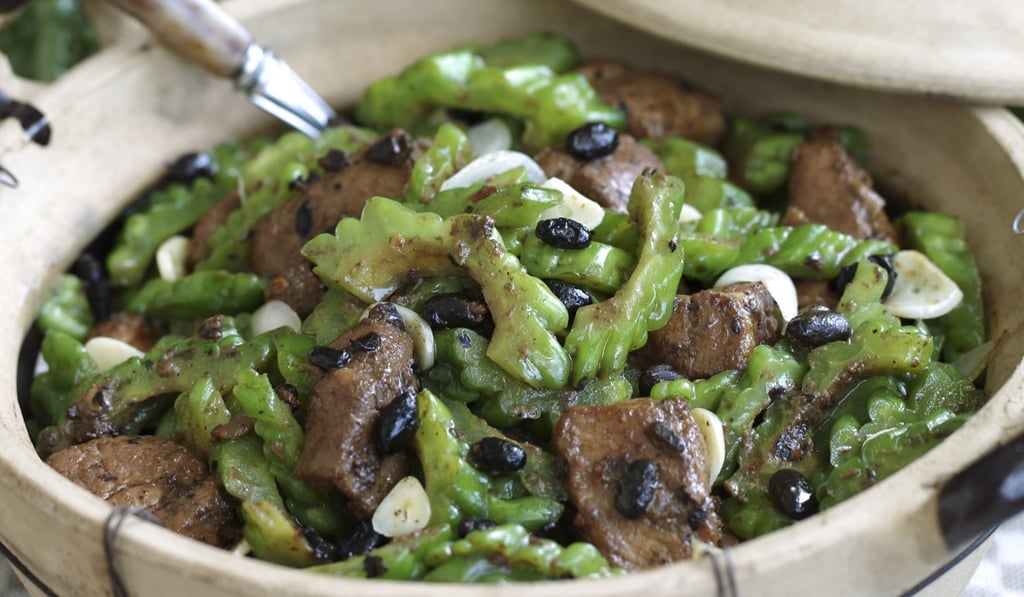
The Chinese bitter melon is the one I cook with most. I’ve found that blanching chopped pieces with saltwater goes a long way in mitigating the melon’s bitter taste. A liberal coat of black bean sauce at the end is the cherry on top.