Taro – the starchy sweet tuber that’s delicious, versatile and has more calories than potatoes
- Its potato-like texture makes it an ideal and cheap carb; cooked with just the right amount of heat, you get a cornucopia of tasty dishes
- Domesticated in Southeast Asia, taro is considered one of the world’s oldest food crops, with a history of more than 9,000 years

The first time I peeled a freshly picked taro, my entire arm immediately broke out in a rash.
The starchy sweet tuber, with a taste akin to yam, contains quite a bit of calcium oxalate, a nasty skin irritant for some people but a defence mechanism for many plants in the same family as taro.
The trick is to treat it as a hazardous bio-product — wear gloves while peeling it and never serve it raw. Cook it with just the right amount of heat, and you get a cornucopia of tasty dishes.
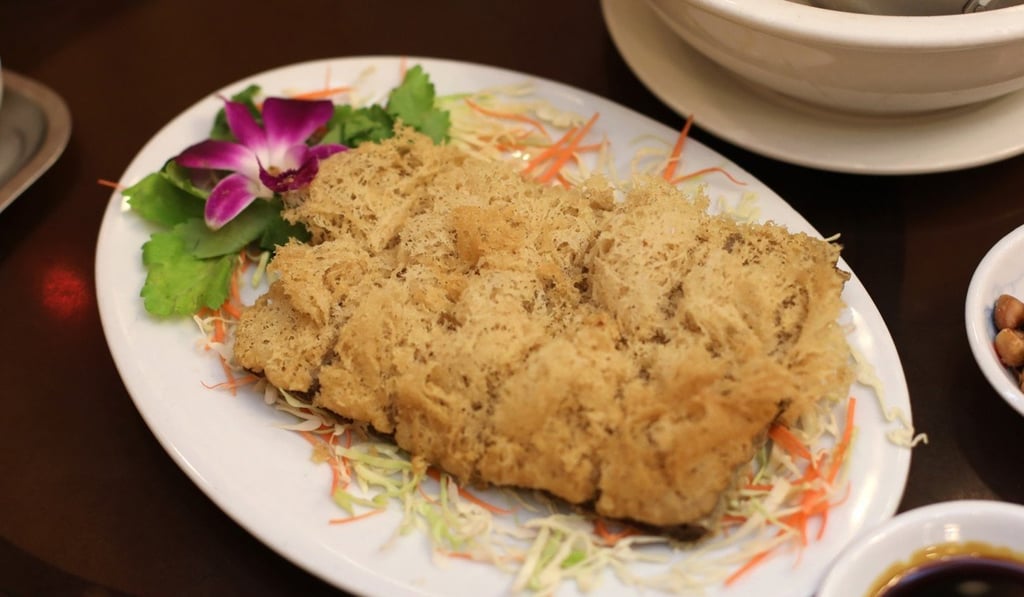
Its potato-like texture makes it an ideal and cheap carb. In Cantonese cuisine, you’ll find taro sliced in beef soup, steamed with pork ribs and deep-fried in a starchy cake with dried shrimp.
As a dessert, you might find it mixed with potato starch and served in a brown sugar soup. When ground into a powder, taro turns a pastel purple hue, making it the perfect colouring agent for assorted cakes and milk tea drinks.