‘One of world’s biggest wildlife crimes’: glass eel smuggling and how Hong Kong supermarkets commonly sell endangered European eels
- Almost half of retail eel products in Hong Kong supermarkets and convenience stores contain endangered European eels, study finds
- More than 300 million glass eels are trafficked from Europe to Asia each year, estimates say, with 1kg fetching at least US$6,450 on the black market

An endangered eel has become an unlikely symbol in the global fight against the illegal wildlife trade. And Hong Kong consumers are unwittingly playing a role in its demise.
The European eel (Anguilla anguilla) is under threat due to overexploitation fuelled by increased demand from Asia, in particular China and Japan, where it is considered a delicacy and aphrodisiac.
Stocks of baby European eels, known as glass eels because of their transparent bodies, have dropped 90 per cent in the past 30 years, largely due to the illegal trade, which sees them smuggled in suitcases or hidden in seafood cargo flights from Europe to Asia, where they are grown to maturity on eel farms. The trade is worth about US$3.7 billion a year, according to Europe’s Sustainable Eel Group.
The species is listed as critically endangered by the International Union for Conservation of Nature (IUCN) and is also listed by the Cites international convention on trade in endangered species, resulting in strict national catch quotas.
But measures to protect the species have slipped through the net.
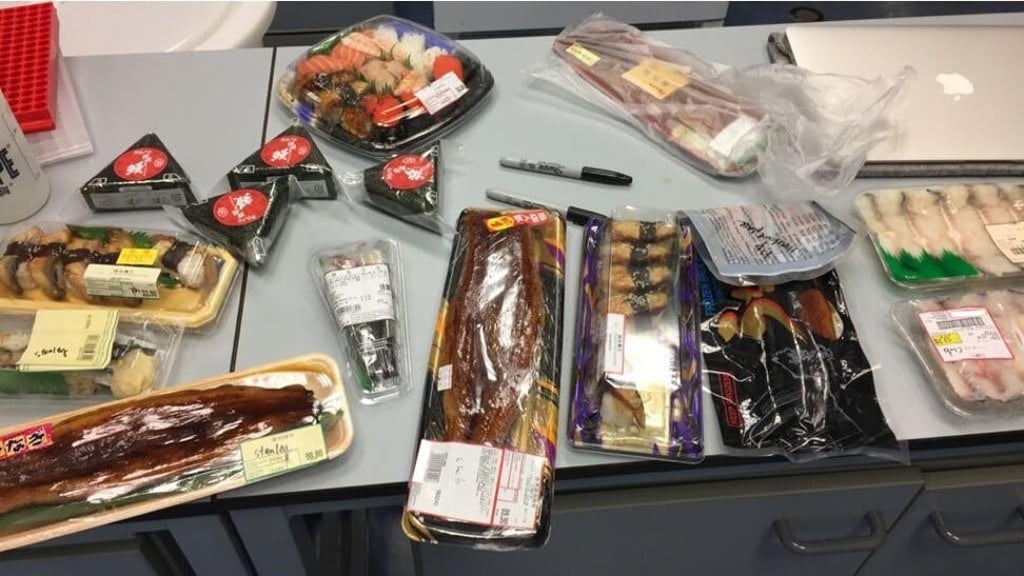
A University of Hong Kong (HKU) study released last month found that European eel was being commonly sold in the city, raising concerns about the enforcement of Cites regulations.