Lao Gan Ma, or ‘chilli crisp’, the Chinese chilli oil that’s hot stuff in the West
- Originating from a small food stall in China’s Guizhou province, Lao Gan Ma – known in the US as ‘chilli crisp’ – is now exported to over 30 countries
- US professional wrestler John Cena is a huge fan, Facebook groups sing its praises and a clothing brand even sold a hoodie with Lao Gan Ma’s logo

In many kitchens in China you’ll likely find a bottle or three of Lao Gan Ma, a crisp chilli oil infused with a potent mix of dried chilli peppers, fried onions, peanuts, fermented soybeans and, yes, MSG.
It is ideal for spicing up staple Chinese dishes such as dumplings and fried rice, delivering the perfect balance of heat and crunch, as well as a delightful hit of umami. It is also one of the bestselling condiments in the country, with sales of over 5 billion yuan (US$770 million) in 2019.
Today, savvy foodies in the West are catching on, from chefs to critics to celebrities. In 2018, American professional wrestler John Cena waxed lyrical about Lao Gan Ma – in fluent Mandarin to boot – in a video posted on Weibo. And in early 2020, British chef Alex Rushmer proclaimed on Twitter that “I would eat a bowl of gravel if it was smothered in Lao Gan Ma. If all you had was rice and noodles, Lao Gan Ma would make it all OK.”
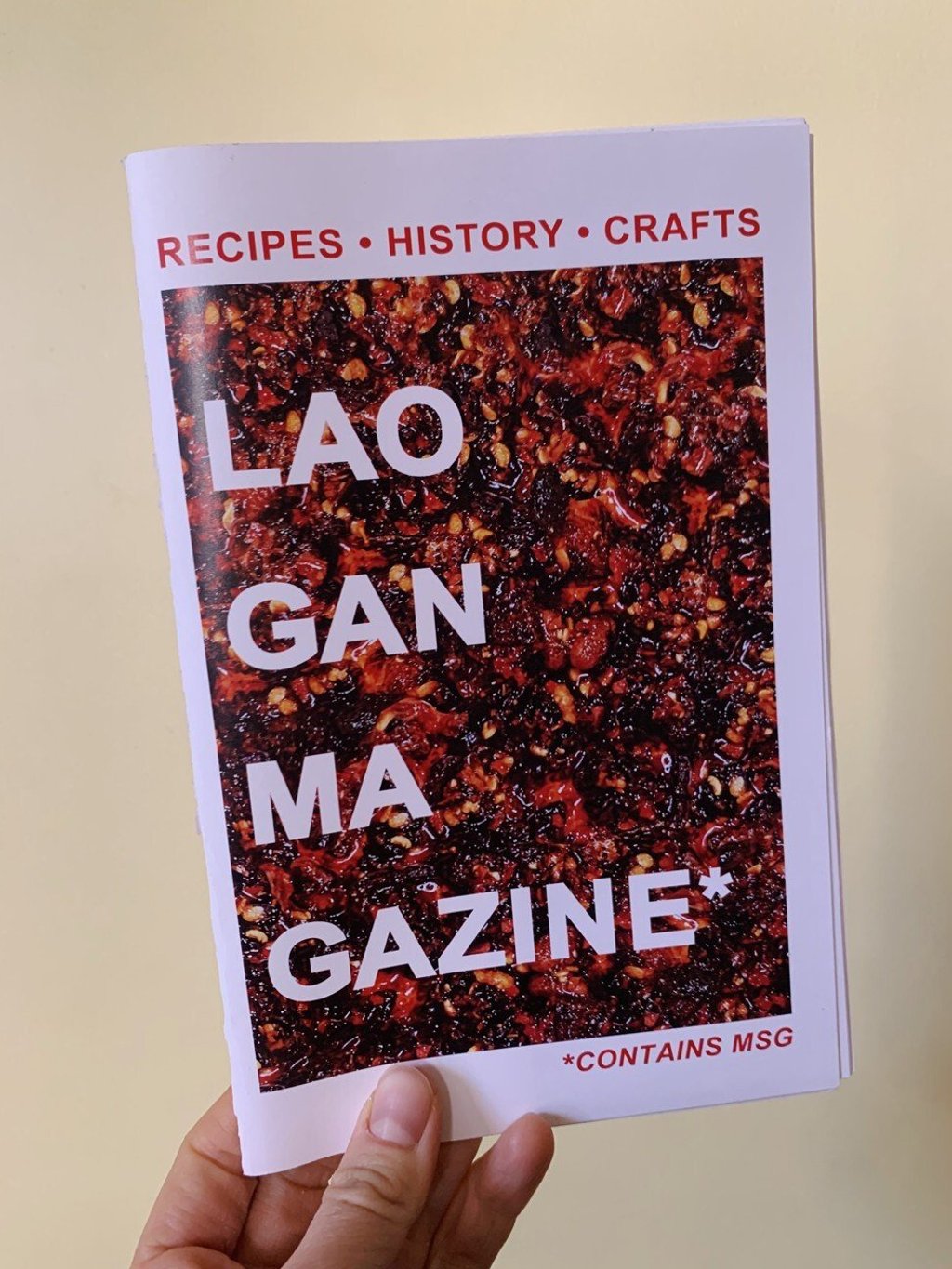
The condiment has even become something of a pop culture icon. During New York Fashion Week in September 2018, clothing brand Opening Ceremony sold a hoodie emblazoned with Lao Gan Ma’s logo; a Lao Gan Ma fanzine launched in the same month. There are even fan clubs dedicated to the sauce – on Facebook, the Lao Gan Ma Appreciation Society has over 3,500 global members.
Lao Gan Ma’s culinary and cultural clout is something that 74-year-old founder Tao Huabi, whose stern portrait adorns every jar, probably never envisioned. Back in the 1990s, a widowed and impoverished Tao ran a small food stall in China’s Guizhou province, dishing up cheap bowls of rice noodles. Even though times were hard, she often handed out free food to hungry kids, earning her the nickname Lao Gan Ma, or “old godmother”.