Explainer | Chung Yeung Festival in Hong Kong – rules about food offerings to ancestors, tomb sweeping and what not to do
- The festival falls on the ninth day of the ninth lunar month, and is a time for visiting ancestors’ graves to maintain them and pay respects to the departed
- There are important rules, like how many incense sticks to offer and in what order, and which foods are acceptable as offerings. We outline the dos and don’ts

Chung Yeung Festival, or Double Ninth Festival, takes place on the ninth day of the ninth lunar month, and is believed to be a day with excess yang – the bright, active energy that counterbalances yin in the Chinese theory of yin and yang.
Hong Kong people traditionally try to get rid of this potentially disruptive surplus by – among other things – sweeping the tombs of their loved ones.
The practice of tomb sweeping – visiting the graves of ancestors to tidy them and make offerings – has its roots in the Confucianist tenet of filial piety, with how one treats one’s ancestors’ final resting places viewed as a reflection of one’s virtue in Chinese culture.
That is why wealthy Hong Kong people spend astronomical sums on auspicious plots of land on which to lay their relatives to rest.
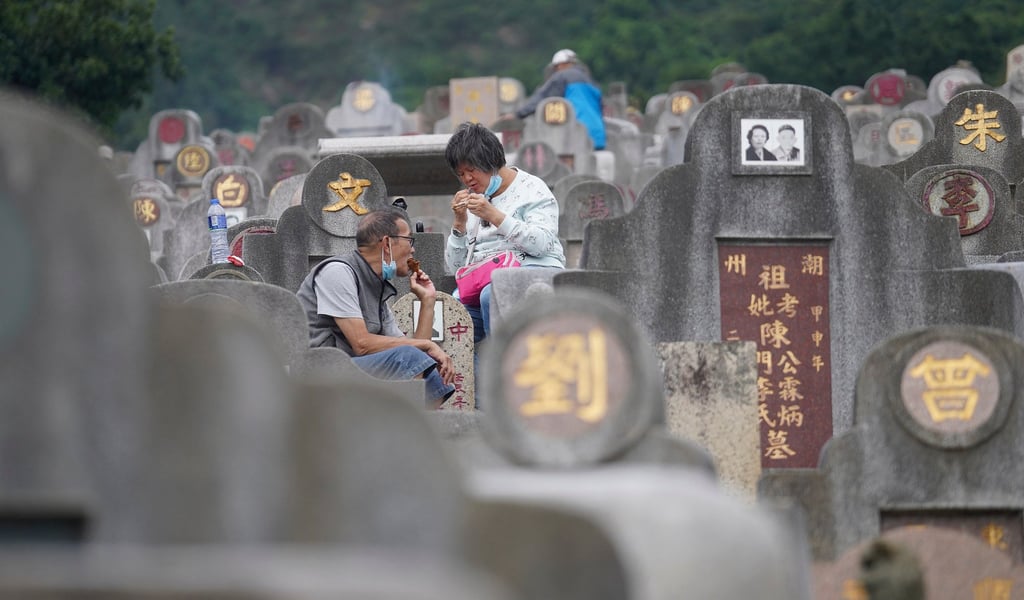
It is downright shameful for a relative’s gravesite to be unkempt or dirty, so a festival and attached public holiday comes as an opportunity for tomb maintenance and paying respects to ancestors.
As with many Chinese traditions – especially those related to the deceased – there are important rules and taboos to observe, so in the spirit of the upcoming festival we’ve outlined a few of the most important ones.