Should a ‘sustainable’ restaurant fly food and chefs around the world? Hong Kong collaborative dinners raise questions
- Restaurants known for sourcing locally that take part in overseas events often fly chefs and ingredients to the new location
- The head chef of Roganic Hong Kong, holder of a Michelin Green Star, believes the trade-off for its upcoming collaboration dinner is a beneficial one

Sustainable dining is a word that’s thrown around like confetti at a Taylor Swift concert and, like the pop star’s current world tour, people have been clamouring to get a seat at some of the hottest sustainable restaurants in the world.
When a restaurant reaches such a level, it often looks to spread its name and influence beyond its shores. But when it has made its name by sourcing locally, how does it do this while retaining its sustainable credentials?
Est, a one-Michelin-star French restaurant in Tokyo, sources its ingredients locally in Japan, buying 95 per cent of its ingredients from independent farmers, fishermen and foragers.
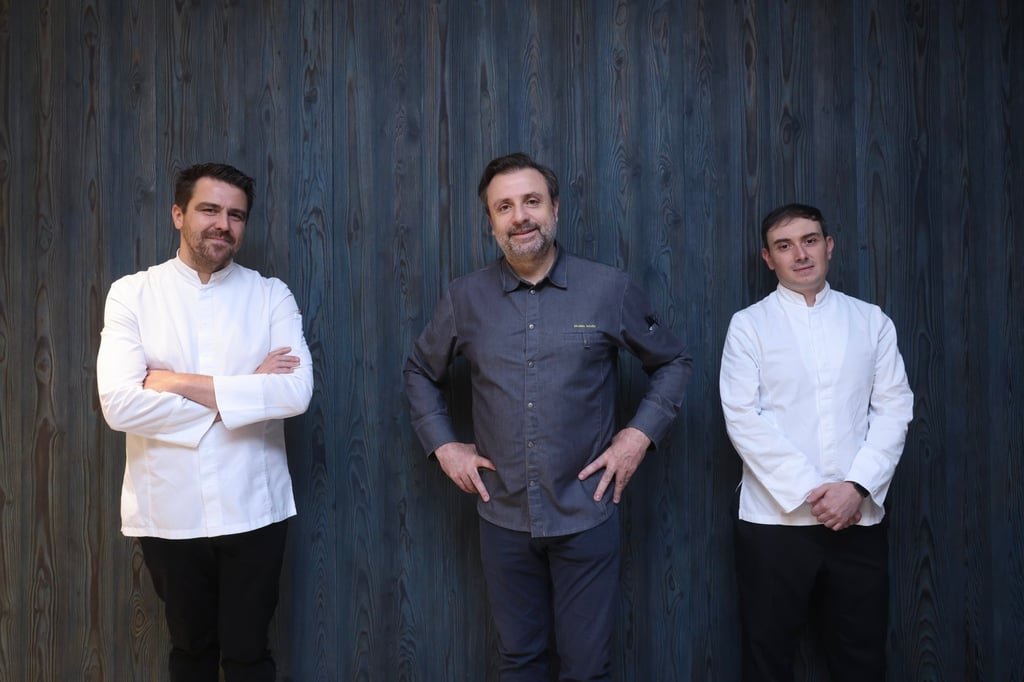
Chef de cuisine Guillaume Bracaval was in Hong Kong in May to give the city’s diners the Est experience during a four-hands dinner with Nicolas Boutin of Ami, in Hong Kong’s Central business district.
Doing so meant shipping and sourcing ingredients from Japan. But air transport is a large contributor to climate change, releasing CO2 emissions and triggering chemical reactions in the atmosphere that heat the planet.
“It’s difficult because to source locally and come up with dishes just for the guest shift would mean more time and extra visits to try the ingredients before the event,” Bracaval says.