What is Hong Kong-style curry? How the spicy-sweet sauce came about
From its South Asian roots to local adaptations, Hong Kong-style curry popularly appears in dishes including beef brisket and fishballs

While curry, derived from kari in southern Indian languages, is usually associated with Indian cuisine, it is not solely South Asian.
In Curry: A Global History, Colleen Taylor Sen writes that “there was a tendency to combine elements from different regions” in the Anglo-Indian cuisine – such as “adding coconut milk, a standard ingredient in southern India, to north Indian Muslim dishes” – making curry, as we know it today, “less authentic and more pan-Indian”.
As European explorers and colonisers travelled across the world, so did curry, which has evolved into many different faces, from Thailand’s khao kaeng and Indonesia’s gulai to the Japanese katsukare or katsu curry, and even the German currywurst sausage.
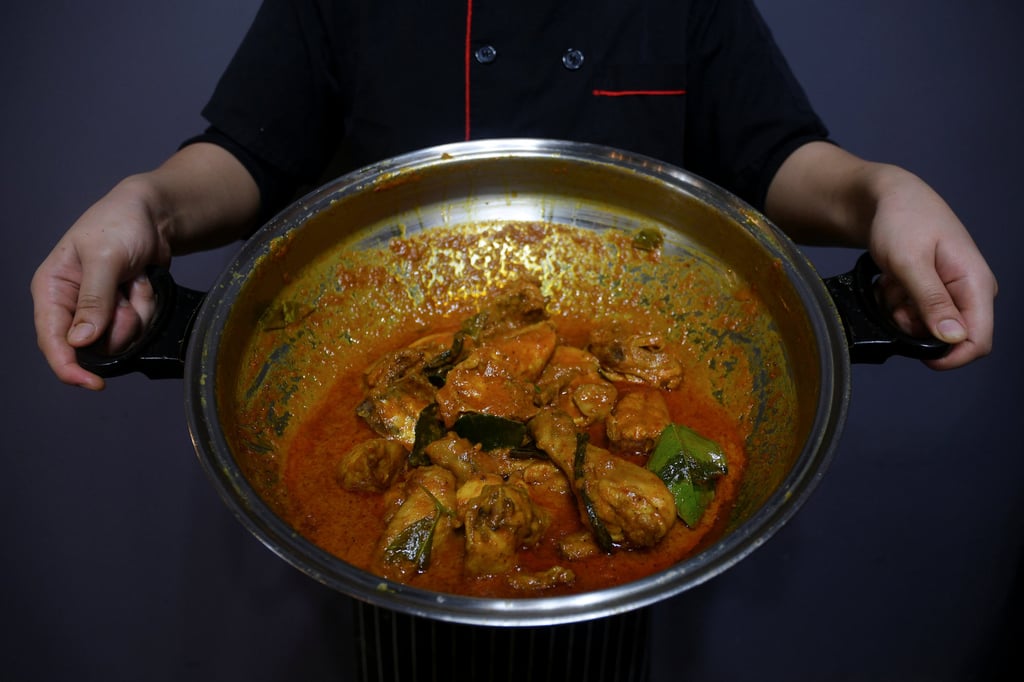
It comes as no surprise, then, that Hong Kong – where British colonial rule brought Indian soldiers to the city starting from the mid-19th century – has developed its own version of the spiced gravy.