How the US occupation shaped Okinawan cuisine, from Spam musubi to taco rice
Okinawa’s post-war food story is a delicious blend of American ingredients given a Japanese spin – think taco rice and Spam musubi
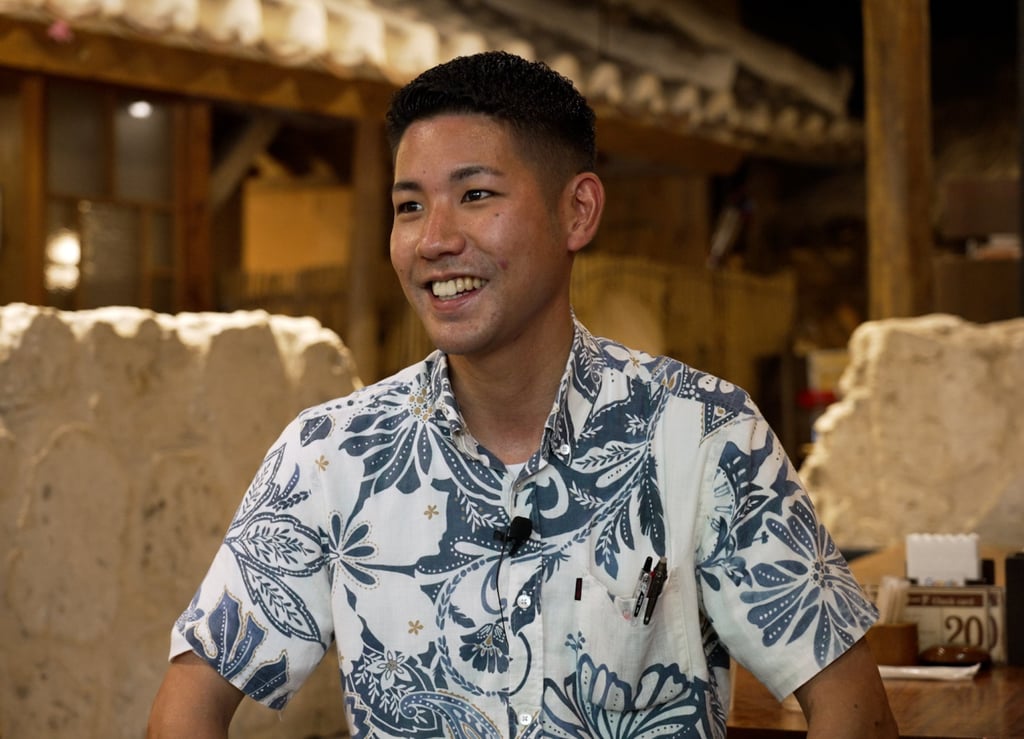
Tubarama is a popular Okinawan restaurant and izakaya in Naha. It is famous for its immersive experiences, in which traditional shima-uta, or folk music, is performed, in a setting resembling a pre-war Okinawan village, as local cuisine is served. There are live sanshin – a traditional lute – and other performances every evening on the restaurant’s second floor.
On the surface, this is a simple story of culinary transition. But in Okinawa, American food did not just arrive – it came and occupied.
After World War II, many Okinawans resented the American military presence. Locals felt they were being treated as second-class citizens, and US soldiers often acted above local laws. Frequent incidents, such as hit-and-run accidents involving military vehicles, sparked outrage.
In a 1955 case, a young Okinawan girl was assaulted and murdered by a US soldier. The soldier was sentenced to death, which was later reduced to imprisonment without parole and the criminal was returned to the US. This incident and similar ones since have fuelled protests and deepened distrust.