Does traditional Chinese medicine have a role in helping patients fight cancer?
Herbal remedies and acupuncture aim to rebalance the body for self-healing and improve quality of life, but Hong Kong oncologists say some herbs can undermine effective Western treatments

When Joyce Ho (not her real name) was diagnosed with breast cancer, she considered traditional Chinese medicine (TCM) to help manage her illness. “Chemotherapy treatments were taking a lot out of me and I considered using some herbs to boost my immune system,” says the 45-year-old high school teacher. “I was under the impression that they could improve my condition, but a discussion with my oncologist changed my mind. He told me about a few other cancer patients whose herbal remedies had caused harmful interactions with their Western drugs. Still, I was keen to try TCM, so I went with acupuncture instead. This really helped to relieve the anxiety and discomfort I was experiencing at the time.”
According to Grace Yu, a registered TCM practitioner at Balance Health in Central, the aim of TCM is not to cure disease but to rebalance the body so that it can focus on healing itself. It can also be used to improve a weak patient’s quality of life, as in the case of late-stage terminal illnesses, she says.
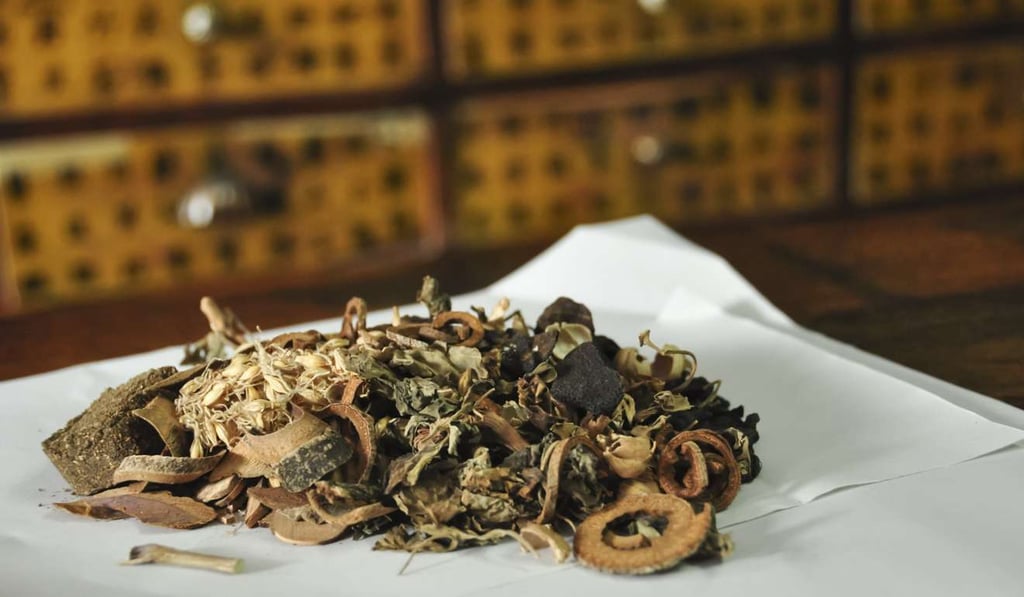
Yu says that contrary to popular belief, TCM does not attack cancer cells. Instead, it enhances the body’s immunity, increasing energy levels and improving the body’s ability to deal with the disease. “Some herbs are useful for this,” she says. “For example, if your yang energy is weak, we will use astragalus, and if the yin energy is weak, we will use radix, depending on the patient’s body type.”