Transcendental Meditation the only way to meditate, Hongkongers told, but instructor can’t explain why
At a recent lunchtime gathering in Central, TM instructor James Meade was asked what sets his HK$6,800 course apart; his response was surprisingly weak

The health benefits of meditation are widely recognised – it has been scientifically proven to reduce stress, improve concentration, increase self-awareness and happiness and even slow ageing.
There are many different kinds of meditation – walking, breathing, guided visualisation, mindfulness, to name just a few – and they tend to rub shoulders quite happily with each other. Find one that works for you and if you feel better for it then keep doing it, a wise and calm friend advised me more than a decade ago.
So I was surprised to be told at a recent talk on Transcendental Meditation (TM) that this was the only kind of meditation that truly works, and nothing else comes close. It seemed a rather dogmatic view, so I persevered, explaining that other styles of meditation such as Zen meditation have also been shown to produce alpha waves in the brain, just as TM claims.
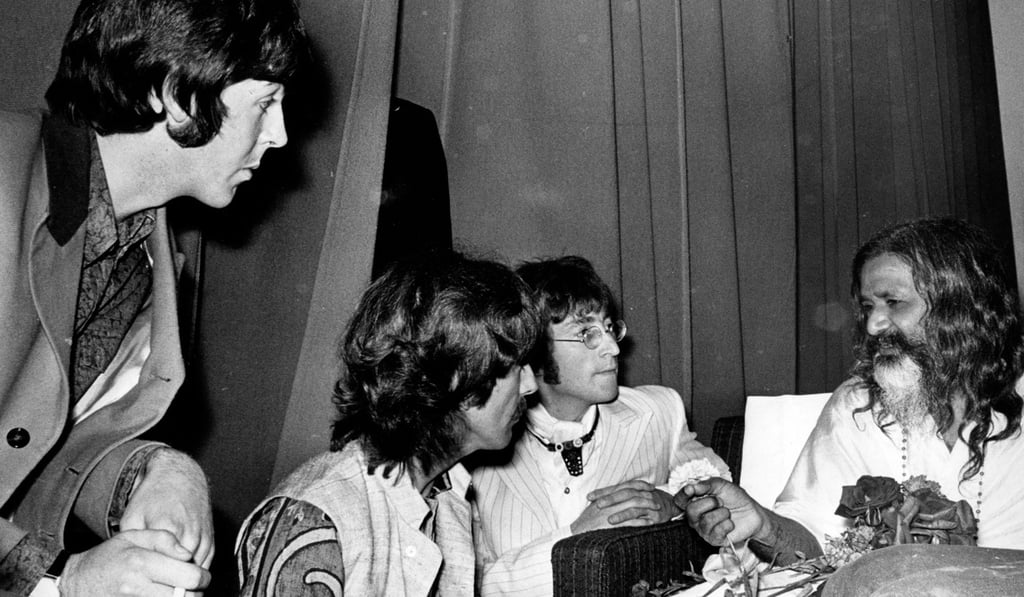
“Nothing even comes remotely close to Transcendental Meditation. We’d love to be in the laboratory and look at the differences [between other forms of meditation and TM] and if it’s the same, then God bless if it can do that,” says Los Angeles TM instructor James Meade, briefly slipping out of his calm demeanour. Meade, who learned TM aged 25 in 1970, was in Hong Kong with his wife, also a TM practitioner, to speak about the practice.
Let me be clear – I wasn’t doubting the benefits of TM, merely suggesting that other forms of mediation achieved similar results.