Is the 80/20 rule true when it comes to weight loss? Hong Kong naturopath says yes
Some say successful weight loss is 80 per cent diet and 20 per cent exercise – and as a rule of thumb, it’s pretty reliable

Is the “80/20” rule true when it comes to weight loss?
The short answer: Yes
We know that in order to lose weight, it’s important to watch what you eat and engage in moderate exercise regularly. But which is more effective at helping you get the body you want – diet or exercise? According to some personal trainers and nutrition experts, the answer is diet. In fact, they believe that 80 per cent of weight loss is the result of making healthy changes to your diet, while the remaining 20 per cent is due to being physically active.
Is processed food bad for you? Not necessarily, say experts
“This 80/20 rule, as it’s commonly called, is indeed accurate, and one that most nutritionists recommend,” says Ardyce Yik, a registered naturopath at the Integrated Medicine Institute in Central. “The key to weight loss is achieving a negative calorie balance, which means taking in fewer calories than you burn. Decreasing the number of calories you consume is so much more effective than exercising, because it takes a tremendous amount of physical activity to create a calorie deficit.”
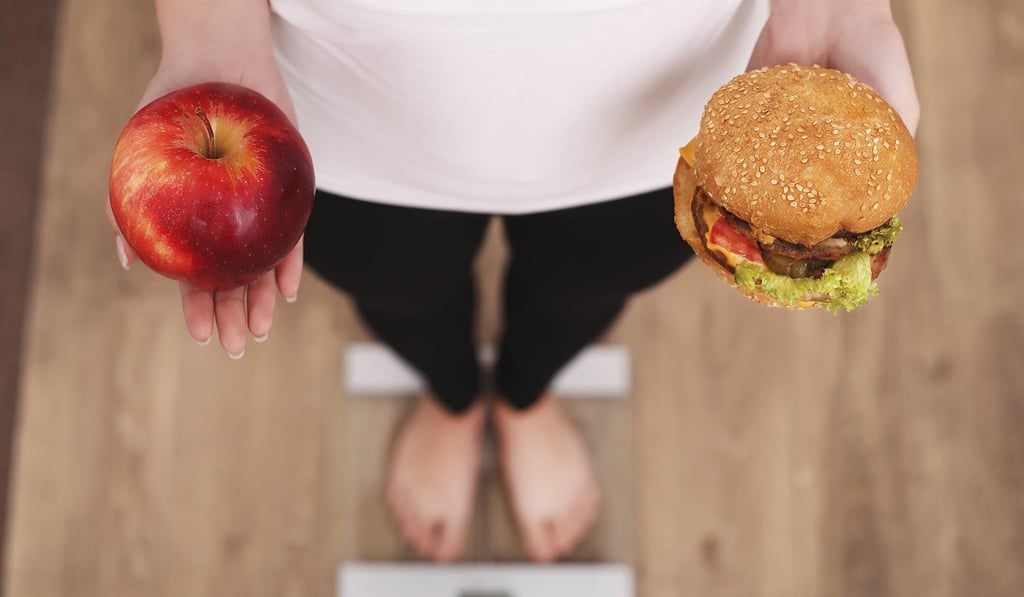
“But I exercise a lot, more than the average person, at least four times a week,” you say. Unfortunately, that doesn’t give you a free pass to indulge in a high-calorie diet. “Studies show that exercise alone has a negligible impact on weight loss,” Yik explains.
Why long cardio workouts don’t lead to sustained weight loss or a healthier body, and what to do instead
“For example, you’d need to burn 3,500 calories to lose just 500g of fat. If you relied on exercise alone to lose weight, you would essentially need to run more than 10km each day to lose one pound a week, without increasing your caloric intake. This is why the 80/20 rule makes sense – it’s easier to cut calories than it is to burn the same amount of calories through exercise.”