Why acai berries probably won’t boost your sex drive or protect you from cancer
Hailed as a superfood by health and wellness retailers, acai is said to do everything from slowing the ageing process to preventing cancer. But there’s little to back up the claims

Hands covered in chalk after a day of rock climbing in Rio de Janeiro, I would shout in Portuguese, still sweaty, “Um acai de 500 para viagem!” (“A 500ml acai to take out!”). Minutes later, I would get a glass of a sweet and delicious ice-cold acai shake. In this tropical clime, there was nothing more refreshing when hungry and dehydrated, and I drank at least half a litre every day while living in this city.
Acai, which looks like a dark rounded berry the size of a small grape, is the fruit of a palm which grows in swampy soils in the Amazon and Central American jungle. Indigenous tribes mashed it into a paste as a diet staple. Amazon rainforest settlers then adopted it and it has since become a working man’s meal, one of the most affordable foodstuffs in the Amazonian region of Brazil. The most popular varieties retail in Brazil at about HK$45 per litre of pure pulp.
Acai, however, is no treat to a palate – without the addition of sugar or other sweeteners (as in acai shakes) it tastes like a mixture of unripe gooseberries and mud.
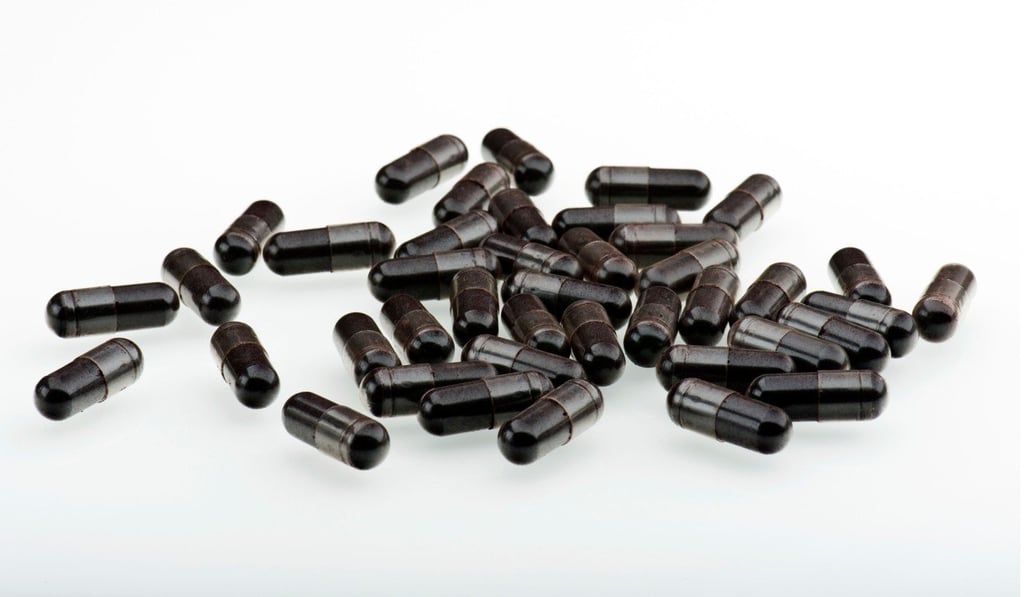
In Hong Kong, I was surprised to see acai powder on sale in health and wellness shops at almost HK$200 for a 113g bag and marketed, to my astonishment, as a “superfood”. In Brazil, I had been unaware I had been stuffing myself with Amazonian superfood at bargain prices.