Why Hong Kong’s birth rate is falling, and how sub-fertile couples can conceive
Birth rates in East Asia are among the lowest in the world, and Hong Kong’s numbers are dropping. We talk to medical experts, couples who are undergoing treatment, and those who have succeeded or failed to have a baby

Hong Kong’s low birth rate has long been attributed to different factors: a low sex drive among couples, the city’s high cost of living, and women’s reluctance to start a family. And while many couples choose not to have children, there is a growing number who simply cannot conceive.
Anna Chan (not her real name) and her husband are among them. For more than two years they tried to start a family but without success. They were losing hope. Like many couples in Hong Kong, they put off starting a family for personal and financial reasons. A consultation with a doctor revealed the then 38-year-old teacher had polycystic ovary syndrome, a condition which affects ovulation.
Joan Cheung (not her real name) and her husband also sought medical help after 14 months of trying to conceive. She learned she had endometriosis, a condition in which the uterus lining grows outside the uterine cavity.
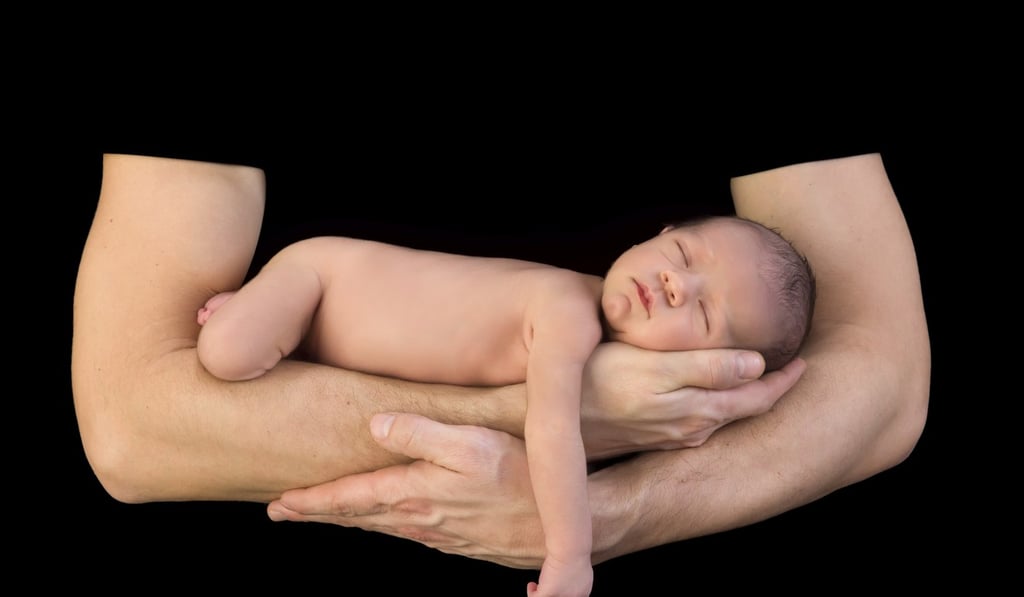
Infertility is a growing problem in Hong Kong. Dr Alice Wong Wai-yee, a specialist in obstetrics and gynaecology in Hong Kong, says one in six couples in the city suffers from infertility – a significantly increase from 20 years ago, when it was one in 10 couples. Data from the Council on Human Reproductive Technology also shows a more than 100 per cent increase in the number of couples receiving fertility treatment, from 4,968 in 2009 to 11,283 in 2015.