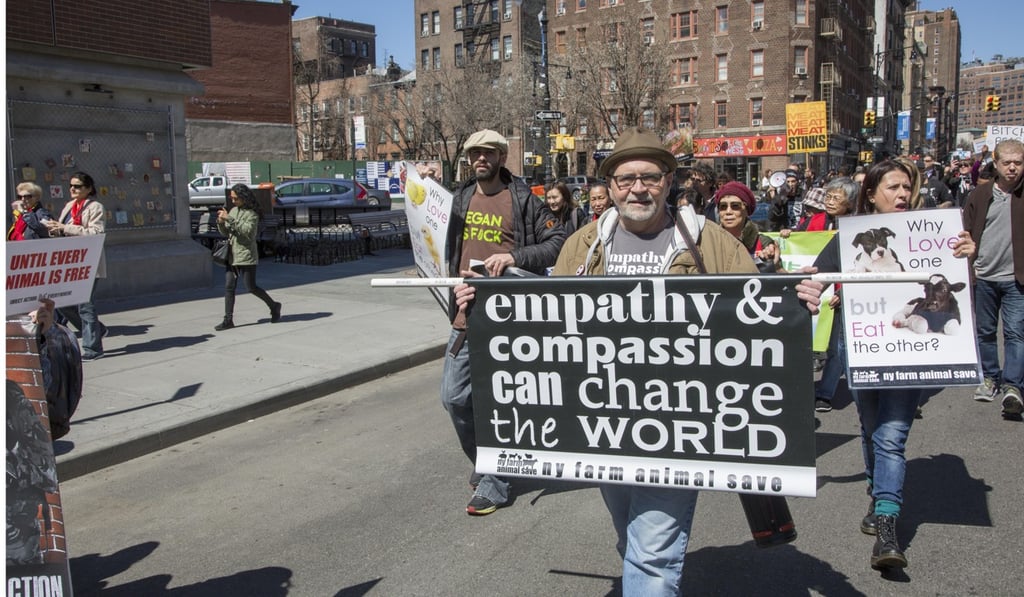
Empathy: why we need more of it in a polarised world, and how to cultivate the human touch
Put yourself in the shoes of other people and it’ll help you understand them and show them compassion; while studies suggest it may be a quality some of us are born with, empathy is also something we can learn and put into practice

In her Pulitzer Prize-winning novel To Kill a Mockingbird (1960), author Harper Lee writes, “you never really understand a person until you consider things from his point of view … until you climb inside of his skin and walk around in it”.
Said by one of the main characters, Atticus Finch, to his daughter Scout after she returns from a difficult first day at school, this nugget of wisdom was intended to help the girl “get along better with all kinds of folks” and to open her eyes to the power of empathy.
Six tips on how to maintain a happy marriage – yes, good sex is one of them
And indeed, this advice stays with Scout throughout the rest of the story, guiding her moral development and influencing many of her thoughts and decisions.
Empathy is sometimes described as “walking a mile in somebody else’s shoes”, and Dr Timothy Sharp, chief happiness officer at The Happiness Institute in Sydney, Australia, believes that the world needs more of it.
“In recent years, we’ve seen an increase in extremism and a polarisation of perspectives, in politics, human rights and more,” says Sharp, who is also adjunct professor at the University of Technology Sydney business school and RMIT University’s school of health sciences in Melbourne. “And while there are many possible explanations for these problems, I think one of the more credible is a lack of empathy and understanding.