Stem-cell therapy: three ways it is relieving human conditions, and the promise of more treatments to save and prolong lives
China’s stem cell market was worth US$6.4 billion in 2016, and at a recent conference in Beijing industry heavyweights gave a glimpse of the future of regenerative medicine for everything from diabetes to autism

Stem cell therapies hold great promise for the treatment of various diseases which have dogged humanity for centuries.
A report released by US-based Grand View Research last year says the global stem cell market is expected to reach US$15.63 billion (107 billion yuan) by 2025.
Since the early 1960s, when Chinese embryologist Tong Dizhou cloned the world’s first fish, an Asian carp, through somatic cell nuclear transfer, China has slowly built up a stem cell research community.
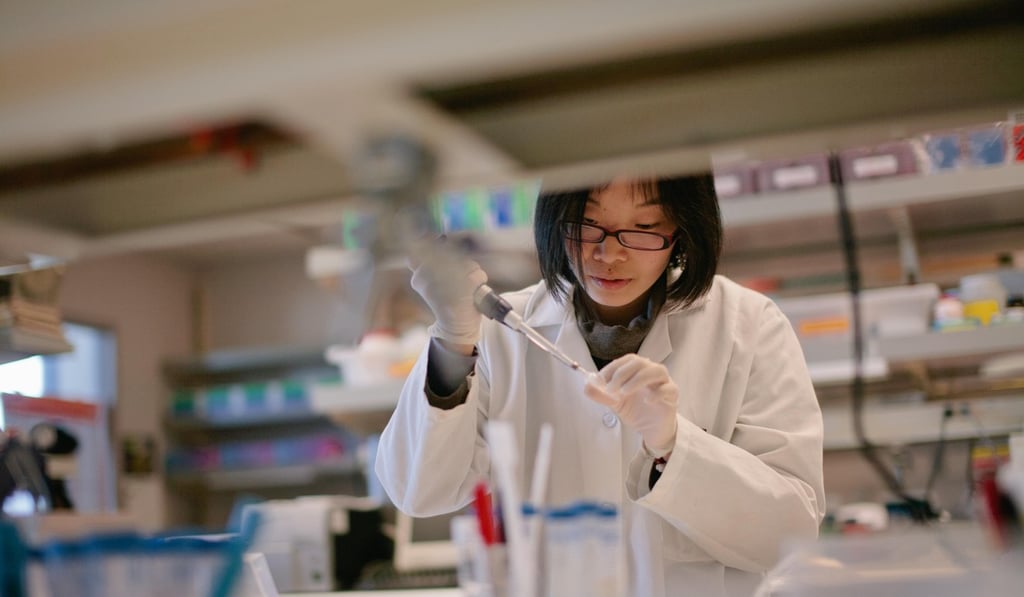
According to the database of Boyalife, a Chinese company engaged in stem-cell research and therapy development, China’s stem cell market reached 43.9 billion yuan in 2016.
Late last month, the China Industry-University-Research Institute Collaboration Association and Cell Biological, a Chinese company in stem-cell therapy development, co-organised a conference in Beijing on stem-cell regenerative medicine to explore future trends in the industry.