How gender stereotyping in adverts is bad for women and men, and why it persists
Misrepresentation of the sexes in advertising remains widespread in Asia, holding back social progress. Brands that promote themselves this way stand to lose customers, experts say

How often do we see mature women, older first-time mothers, or plus-size females being portrayed positively in advertising? Or women in general being featured in leadership roles, for that matter?
We all know the answer: unrealistic portrayals of women – and men – persist. And this gender-biased advertising encourages discrimination based on age, ethnicity, ability, and sexual orientation.
Harmful stereotypes in advertising have remained unchallenged for decades, as the advertising industry has failed to authentically reflect the diversity of the world we live in.
A 1999 international study by, Adrian Furnham and Twiggy Mak, both of University College London, showed that most businesses and brands used men to deliver authoritative voice-overs in advertisements. Women were shown only as users of products, says Puja Kapai, associate professor of law at the University of Hong Kong and convenor of its Women’s Studies Research Centre.
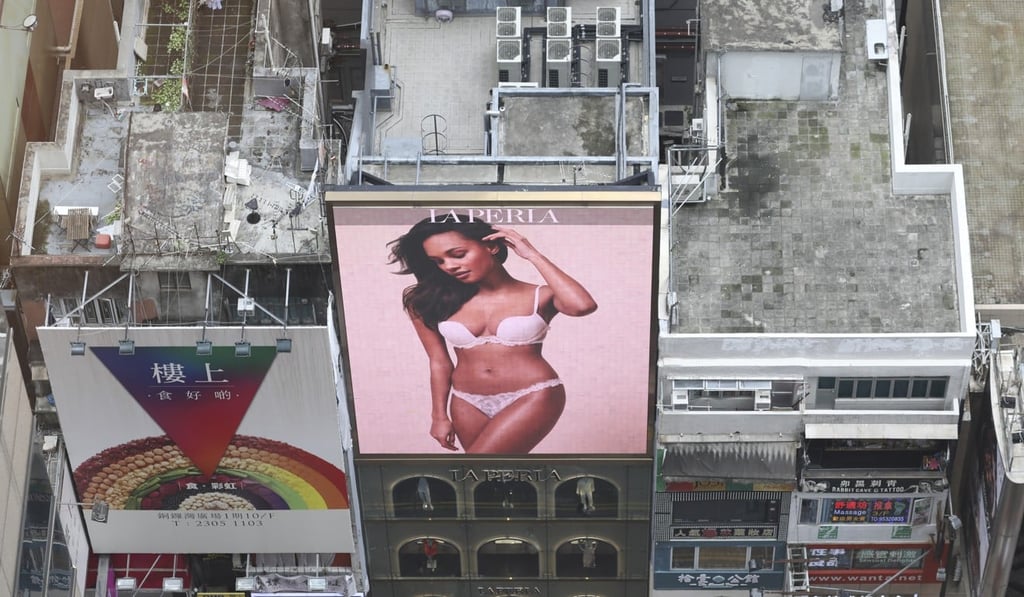
She says such gender-stereotypical portrayals are still prevalent two decades on.