Addiction and trauma unpacked in women-only response programme in Thailand
- Rise programme focuses on bringing women into a safe environment to work through their substance use, and to see what trauma caused it
- While growing up in a conflict zone or surviving a terrorist attack can result in trauma, it is just as likely to happen in a domestic setting

Growing up in Belfast in the 1970s – in the time of the “Troubles” when there were bombing campaigns and shootings across Northern Ireland – Paula Shields saw a “traumatised generation” around her.
“People were socialised into an active conflict zone, there was segregation, mistrust and fear. The amount of medication handed out without any appointment was unbelievable,” she says.
Shields is the clinical lead of the Rise programme, an addiction programme for women with a focus on trauma at The Cabin in Chiang Mai, Thailand. She also played a key role in designing the programme, which is billed as Asia’s first “trauma-informed, gender-responsive women’s programme”.
Why trauma and why women only? Women with trauma often use drugs or alcohol so they don’t have to feel, says Shields. And it is a women-only programme because women’s trauma histories tend to be different from men.
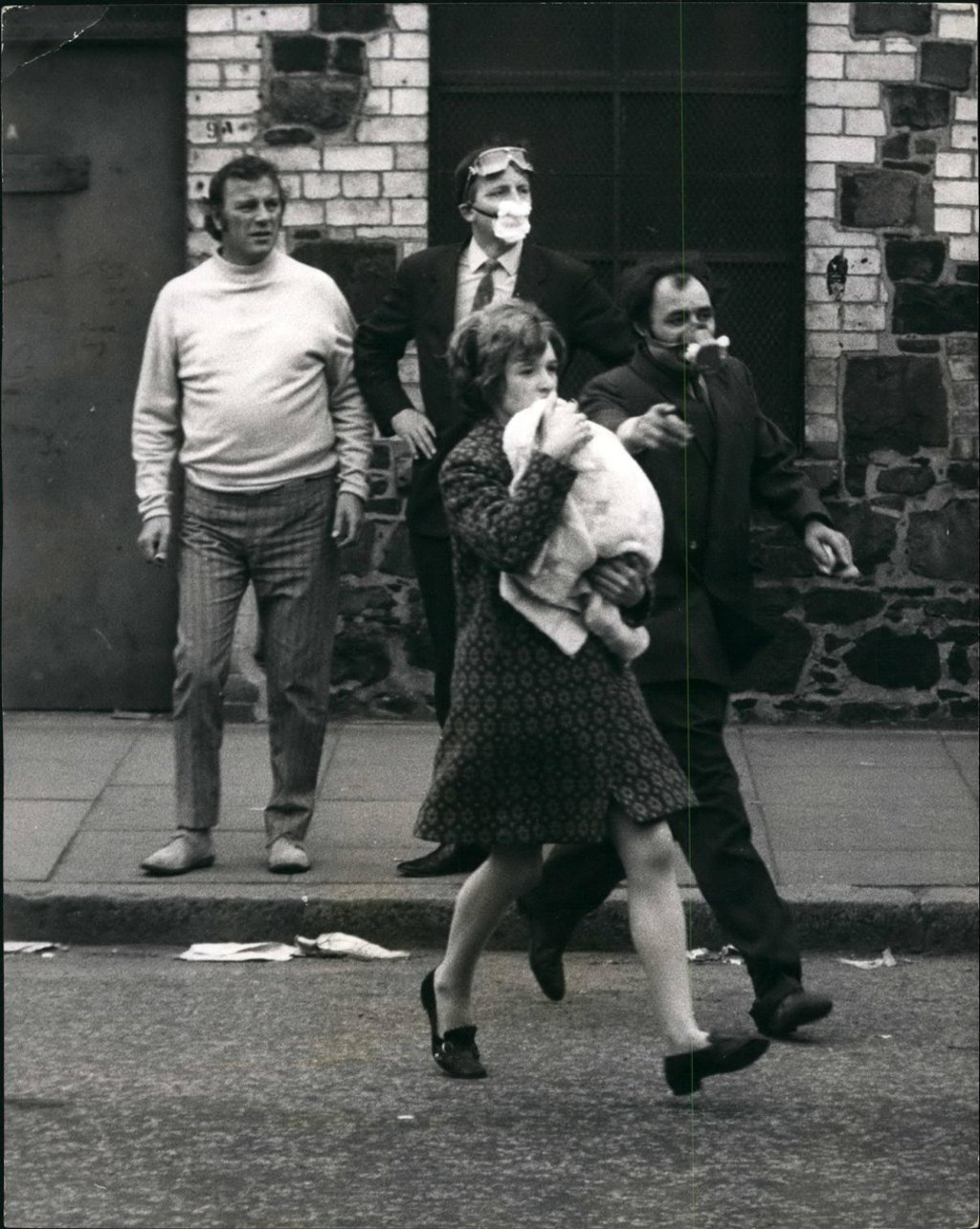
While growing up in a conflict zone or surviving a terrorist attack can result in trauma, it is just as likely to happen in a domestic setting – even more so for women.
Dr Stephanie Covington, a California-based clinician with more than 30 years of experience in designing and implementing treatments for women and girls, says while in childhood boys and girls are both at risk of physical and sexual abuse, by adolescence the risk profiles change.