Carbs: what foods they’re in, why low-carb diets lack nutrients and how much you should eat
- Carbohydrates are not the bogeyman, says dietitian Barbara Quinn, and are in fact the most efficient source of energy for muscle, brain and nerve cells
- Studies have found that as few as 70 grams and up to 265 grams of carbs a day assures a better balance of nutrients and an adequate supply of dietary fibre
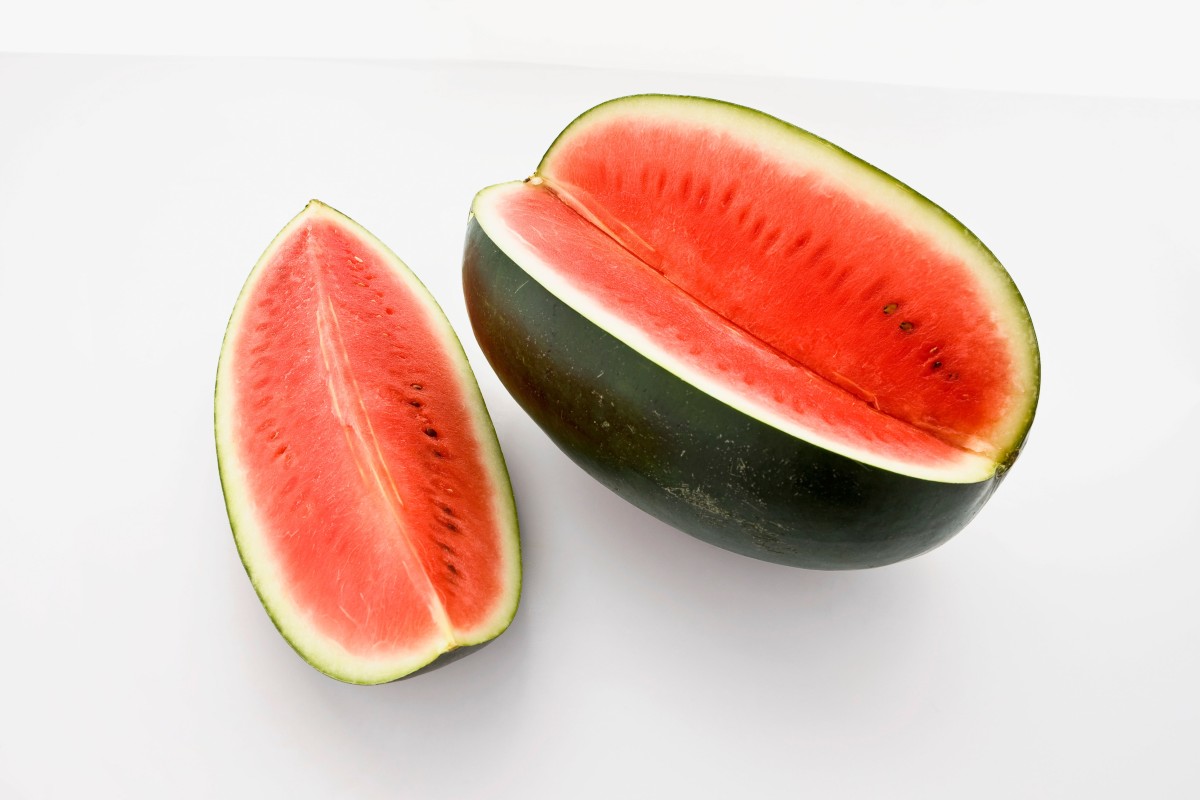
“Fruit has carbs? I had no idea,” a stunned patient told me recently.
She’s not the only one who doesn’t have a complete understanding of carbohydrates – the focus of our current craze for low-carb foods.
I find that many people who say they “don’t eat carbs” may not really understand what a carb is – and isn’t.
Simply put, carbohydrates are sugars and starches that occur naturally in plants. Carbs are also a natural ingredient in mother’s milk as lactose, or milk sugar – the first sweet that babies taste.
Plants convert energy from the sun into sugars (such as fructose in fruit) and starches in grains and beans. Thus, most of the calories in plant foods come from carbohydrates. And we get plenty of added carbs in confectionery and treats made with honey, syrups, and refined beet and cane sugars.
Carbohydrates are not the bogeyman. In fact, they are the most efficient source of energy for muscle, brain and nerve cells. That’s why current dietary guidelines recommend 45 to 65 per cent of our daily calories come from carbs. Athletes, who need higher amounts of readily available fuel for their hard-working muscles, generally ingest carbs at the higher end of this scale. People with diabetes, who need to avoid excessive amounts of carbs, are often at the lower end.