New dads get baby blues, too: how to handle postpartum depression if you’re a man, and how to spot it
- Postnatal depression doesn’t just affect new mothers – it can affect new fathers too, and more so than previously thought
- That can lead to poor relationships between fathers and their children later on, so it’s important to get help early
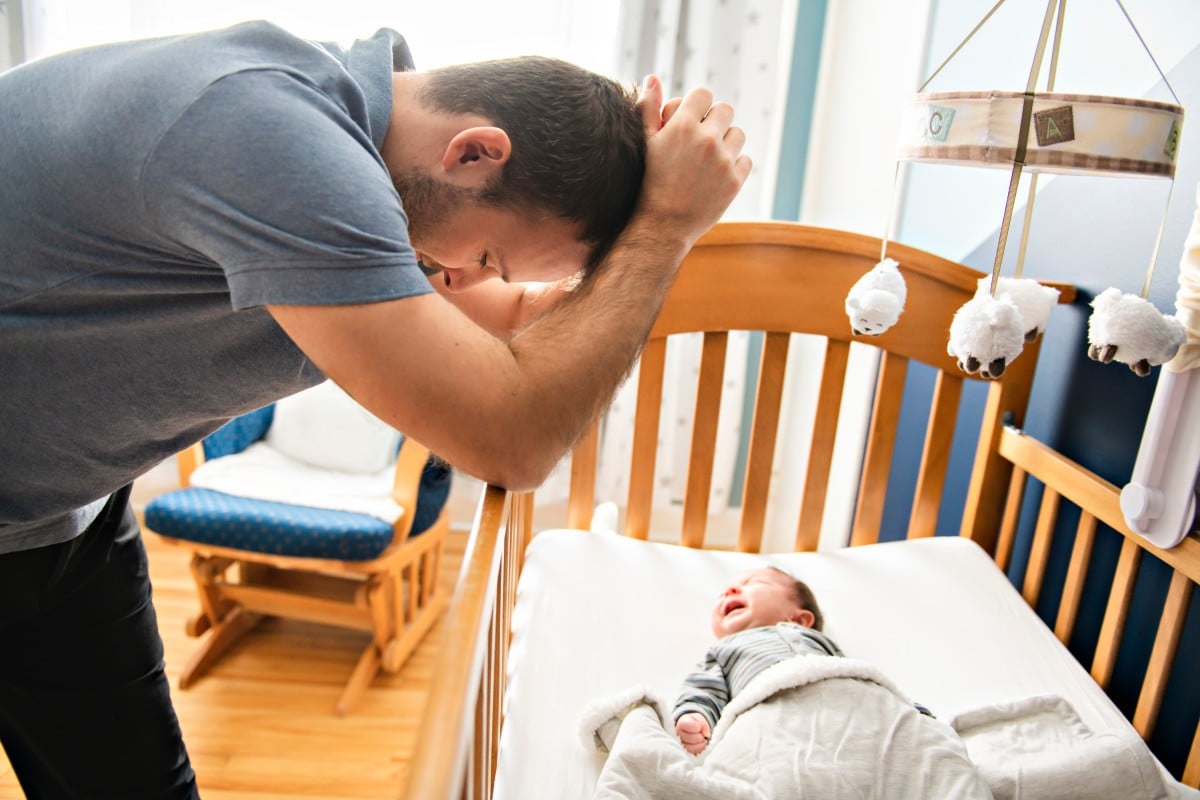
It should have been the happiest time of his life, but after his son was born in 2016, Gary (who did not want to use his real name to protect his family’s privacy) felt depressed. On a few occasions, he even considered taking his own life. His days felt overwhelmingly difficult, but Gary thought it was normal.
“I didn’t pay attention to how I was feeling because I assumed it was par for the course after having a baby,” says Gary, who was 36 at the time. “It was only when my friends pointed out a change in my mood that I realised something was wrong.”
Gary’s wife was difficult to talk to after their baby arrived, which exacerbated the situation. Gary says that she was stressed out herself and unaware of how he was feeling. Her refusal to work and her demand for a live-in domestic helper only added to their marital strife, not to mention the fact that they were both severely sleep-deprived.
Even though he had time off work, Gary still had to deal with problems that cropped up at the office. He felt stretched to his limit and could see no way out. Besides having suicidal thoughts, he also contemplated divorce.
Gary eventually sought help from a psychologist, who told him that he had all the symptoms of postpartum depression (also called postnatal depression), PPD for short.