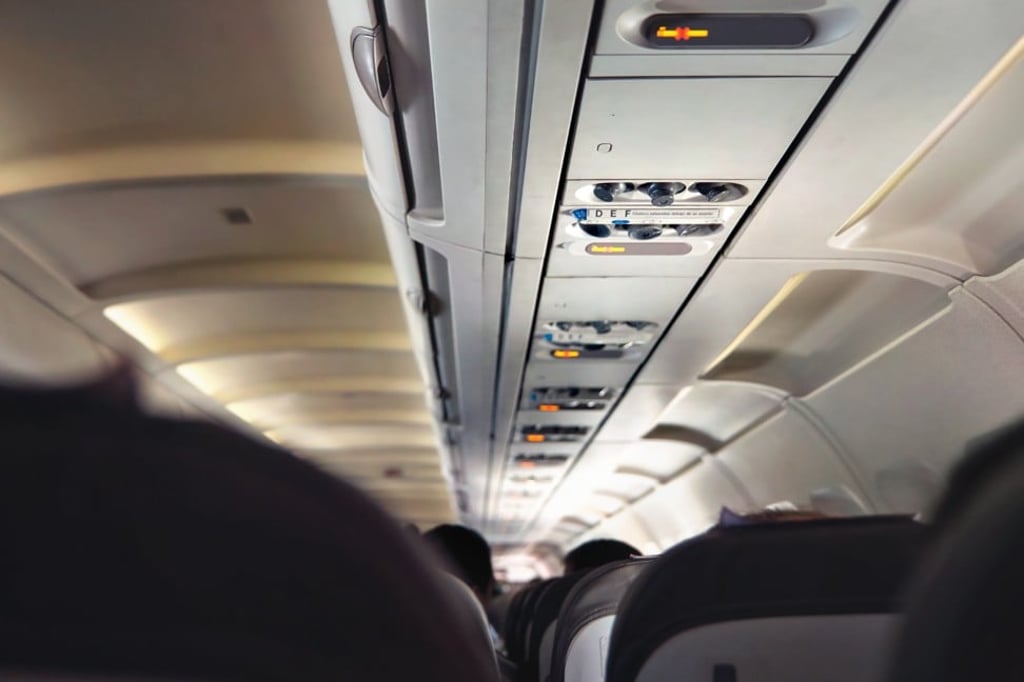
Coronavirus: how to lower the risk of infection while flying – and remember, the air in aircraft cabins is much fresher than in your home or office
- Air in an airliner cabin is changed every two to three minutes, making it fresher and freer from disease-causing pathogens than the air in your home or office
- Someone within a metre of you who is infected and coughs or sneezes can pass on flu or coronavirus, so sitting in a window seat may put you out of range
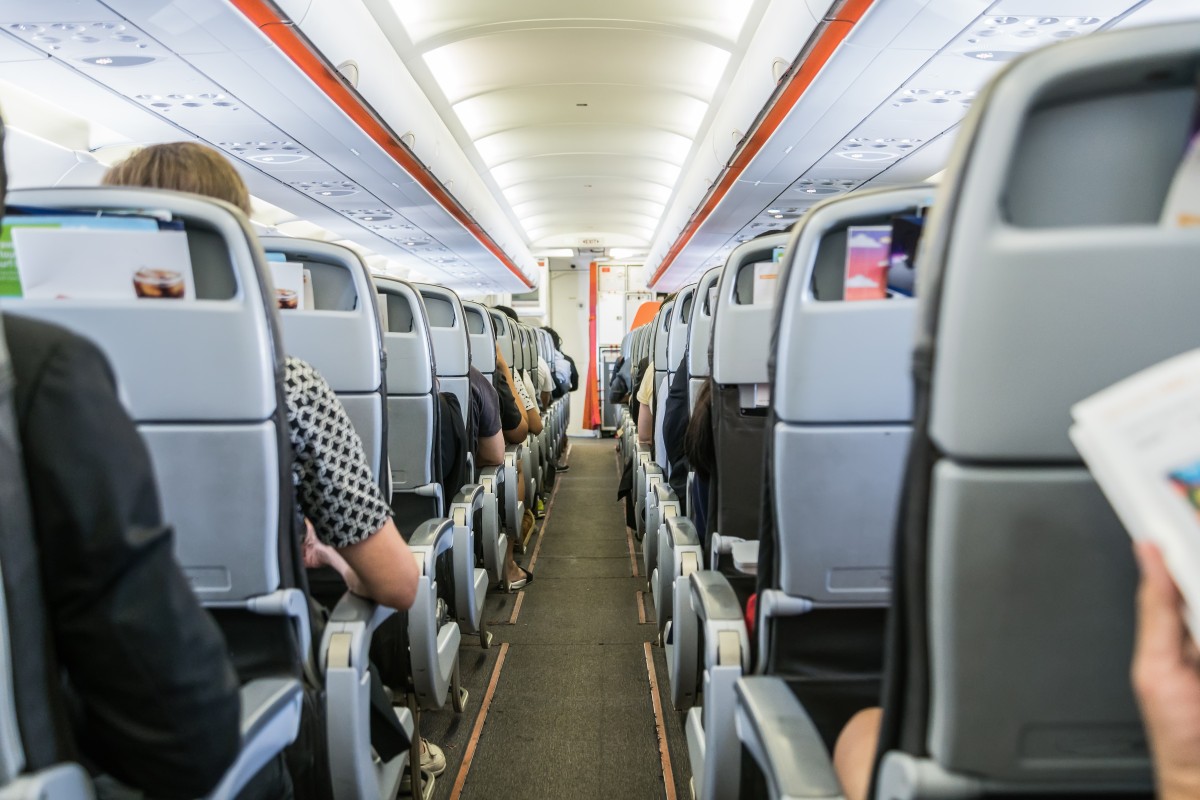
Cabin air is changed every two to three minutes, that is 20 to 30 times every hour, according to Zhu Tao, deputy director of the flight standard department under China’s Civil Aviation Administration. At a news conference last month, he also noted that cabin ventilation systems are designed for vertical, not horizontal, air flow, which effectively reduces the risk of a virus spreading on a plane.
This is because human-to-human transmission of the new coronavirus is believed to occur mainly through droplets, which generally are not affected by air flowing through a space, so they fall fairly close to where they originate – usually within a metre.
That is why the World Health Organisation defines “contact” with an infected passenger on a plane as having been seated within two to three rows of that person. The infection risk for those sitting outside that zone is much lower.