Coronavirus ‘deep cleaning’ explained: what exactly does it involve?
- Done at the weekend or overnight, deep cleaning involves intensive disinfecting of areas such as surfaces, carpeting and hard flooring
- It also includes ventilation systems – not just the air-conditioning system, but the air duct itself as these can get very dirty too

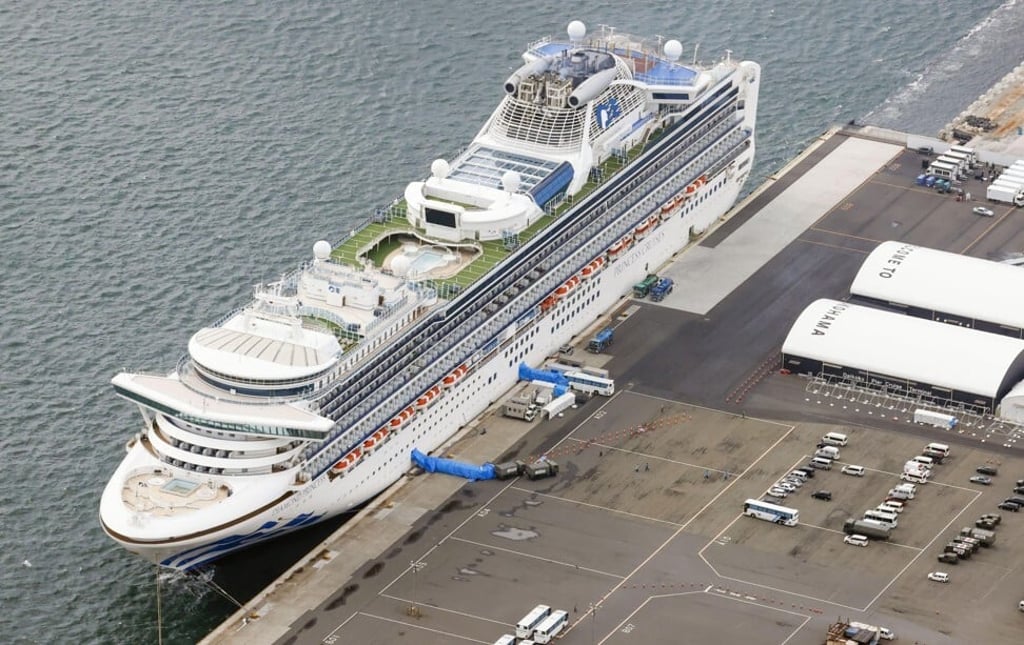
We’ve been hearing a lot about deep cleaning. When the last passengers and crew on the Diamond Princess cruise ship in Japan completed their 14-day quarantine on March 2, following a coronavirus outbreak aboard, the ship underwent a thorough disinfection.
Since then, not a day has gone past without mention of a club, gym, restaurant, bank or bar closing for a deep cleaning. But how does it differ from regular or spring cleaning?
Firstly, deep cleaning isn’t a scientific concept and likely means different things to different people and businesses.
Hong Kong’s Centres for Disease Control and Prevention is a good starting point. It has issued guidelines on how to clean and disinfect community facilities after people suspected or confirmed to have Covid-19 – the disease caused by the novel coronavirus – have been there, and recommends focusing on frequently touched surfaces.
It must be a good time to be in the decontamination business, one industry that has not seen activity drop off a cliff. All phone lines to ISS Hong Kong, the local arm of the global provider of facility services, including cleaning services, were busy and the Post’s call went to voicemail. When the receptionist returned the call and forwarded the Post to the cleaning department, that voicemail box was full and not taking messages.