Advertisement
How loneliness from social isolation harms the elderly and dementia sufferers – and ways to help them overcome it
- Many seniors may feel lost, frustrated and confused as a result of the changes caused by the pandemic, with some even having extreme mood swings
- For carers, patience and understanding is key, and reaching out with regular phone calls or video conferencing can help overall well-being
4-MIN READ4-MIN
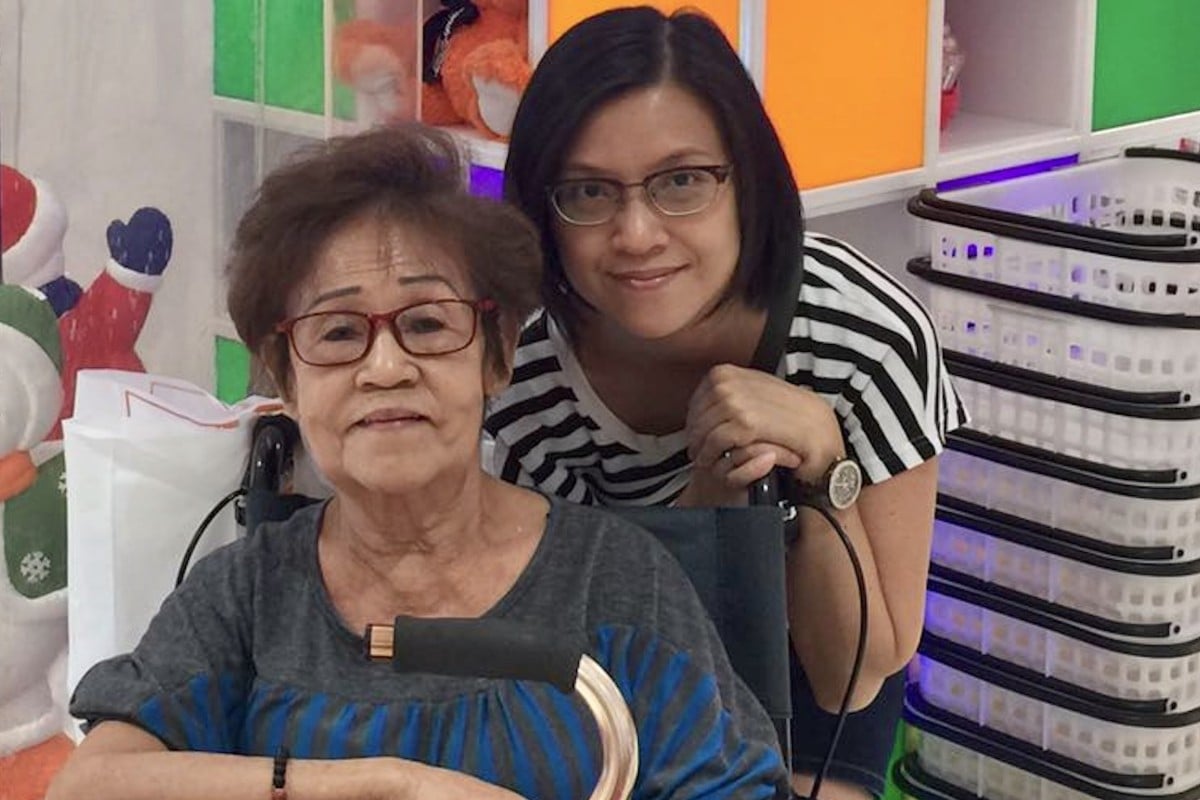
Forty-three-year-old Cindy Teo is a carer for her mother, Loh Yok Hing, who has mild to moderate dementia and is wheelchair-bound.
The Covid-19 pandemic has had a minor impact on their family, with Loh sometimes expressing discomfort when she comes across news reports about the increasing number of deaths around the world and the store closures across Singapore, where they live.
“Mum is especially concerned about the rise in cases among foreign workers who live in dormitories here in Singapore,” Teo says. “She’s also aware that the pandemic has affected livelihoods and tells us that she hopes everything returns to normal soon.
Advertisement
“Of course, because of her condition, she sometimes forgets that there’s a pandemic and can’t remember why I’m not going to work. Because she also experiences mood swings from time to time – which I’m not sure are due to her distress over Covid-19 – our family has had to be more patient with her. We try to keep things as normal as possible.”

Advertisement
For the last two years, Teo has been part of a carer support group organised by the Alzheimer’s Disease Association (ADA) in Singapore. Since October, her mother has been receiving support from ADA’s Eldersit Respite Care programme, where a trained elder-sitter engages her with meaningful and therapeutic activities.
Advertisement
Select Voice
Select Speed
1.00x