What is cancer prehabilitation? How patients are getting a head start in recovery
On World Cancer Day on February 4, we look at how cancer prehabilitation helps patients recover more quickly and better handle treatment

Before her mastectomy, Christine Cosby joined a pilot prehabilitation programme designed for newly diagnosed cancer patients before starting treatment. She focused on building her fitness and upper-body strength with one goal in mind: a faster recovery.
For the resident of Toronto, Canada, the physical work was a welcome distraction from “the coming scariness” of surgery.
Cosby, a part-time artist and accountant, was one of 25 people that the University of Toronto’s Faculty of Kinesiology and Physical Education recruited in 2019 from the city’s Princess Margaret Cancer Centre for a study on preparing for breast cancer surgery with exercise.
She was given a home-based programme that included five exercises with a resistance band to build upper body strength, and walking and running up steps at a nearby park for 10 to 20 minutes a day to improve her cardio fitness.
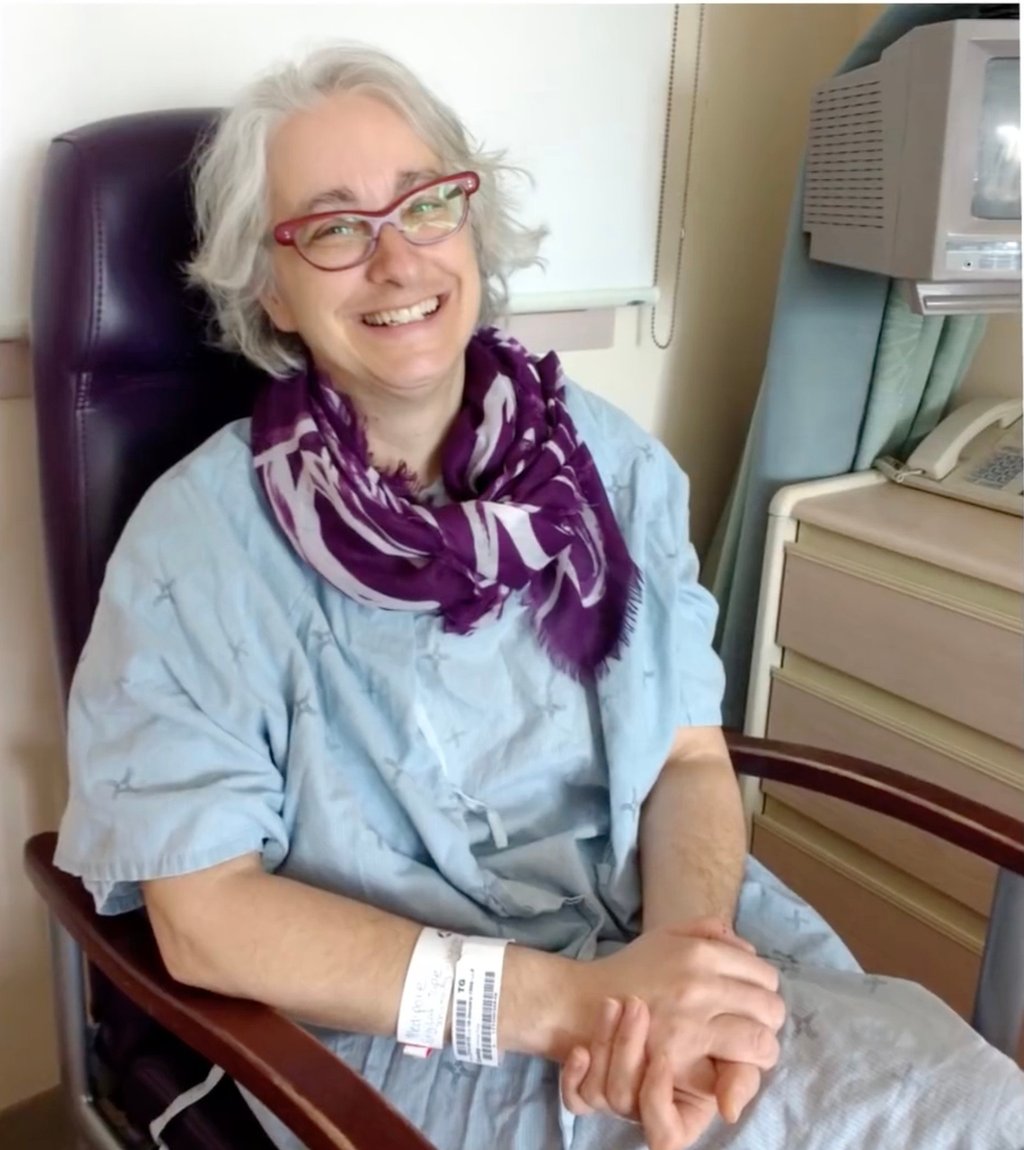
Cosby, aged 52 at the time, was happy to do it, even though she was “extremely stressed”.
“I could see the benefit,” she told researchers. “Exercise never hurt anyone, and it was something I could control when everything else was spinning out of control.”