From BTS to Blackpink, K-pop dance practice videos are all the rage with fans: it’s ‘a way to get closer’ to their idols
- What distinguishes the clips from music videos are the minimal effects and cuts, which allow viewers to concentrate on the performative aspects in one take
- One K-pop fan says the rehearsal videos serve as proof of how hard bands work. ‘Something about that is appealing; it makes you want to become a bigger fan’
By Park Han-sol
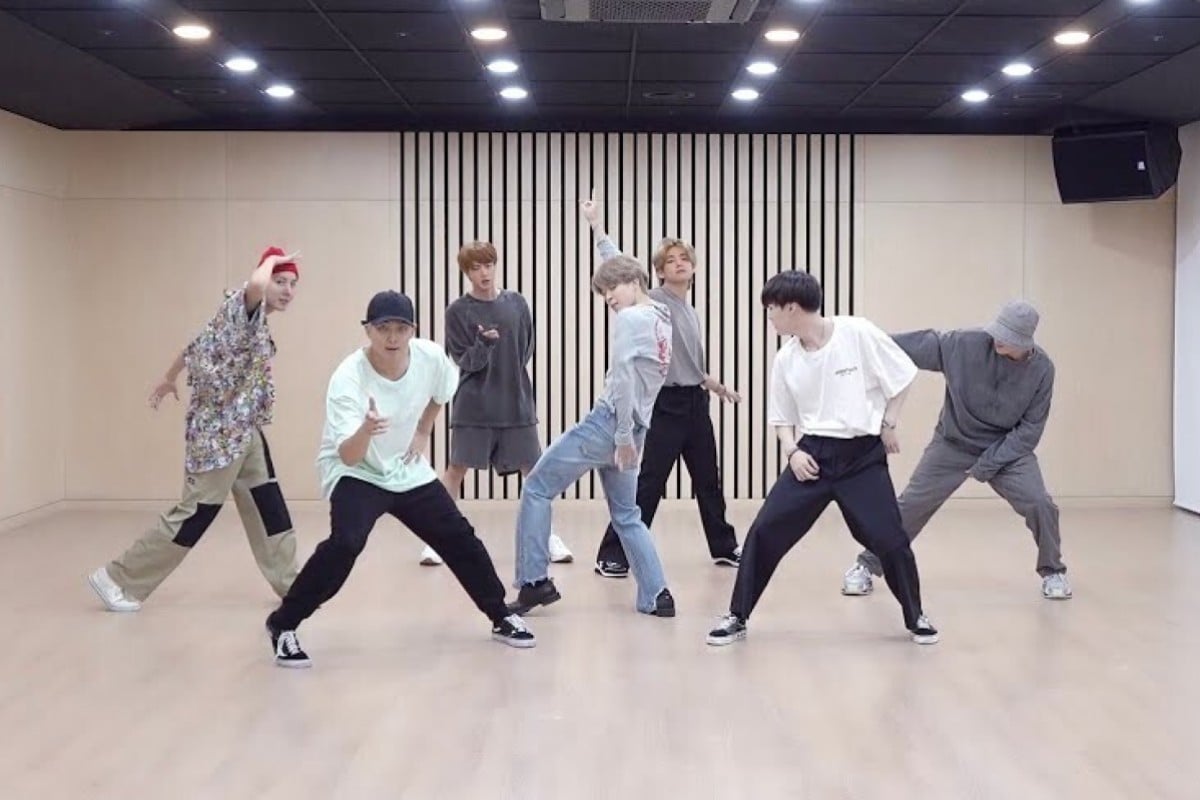
Low-quality videos, casual looks and outfits, simple practice rooms and the high-pitched squeaks of trainers scraping on floors. These elements have been typically associated with K-pop idols’ dance practice videos, which are often released as a bonus for fans, alongside the more glamorous and highly publicised official music videos.
What distinguishes the clips from music videos or onstage performance videos are the noticeably minimised visual effects, as well as camera movements and cuts, which allow viewers to concentrate solely on the performative aspects in one take.
Recently, the videos have been produced with higher production values in terms of visual and sound quality, after talent agencies recognised their marketing potential and the growing demand among fans.
“In K-pop, the group dance is as significant as the music itself. When idol groups get a chance to introduce their new releases on non-music television shows, they often don’t sing the songs but simply play them in the background, while showing off perfectly choreographed moves,” said Lee Gyu-tag, assistant professor of cultural anthropology at George Mason University Korea in Seoul.