Year’s best shooting stars show: where Hongkongers can watch the Geminid meteor shower
Spectacular 10-night show of shooting stars peaks on the night of Wednesday, December 13, with Sai Kung or Shek O the best places to watch it

Have you ever seen a sky full of shooting stars? It’s unlikely that you have in brightly lit Hong Kong, but there’s a chance coming up next Wednesday night when the Geminid meteor shower reaches its peak. The strongest of all the year’s meteor showers, its stream can produce as many as 120 shooting stars per hour.
In pictures: Hong Kong photographers show how to shoot night skies over city
Mostly they will be fleeting bright streaks in observers’ peripheral vision lasting only a second or so, but the Geminid meteor shower is also famed for occasionally producing extremely bright, long-lasting trails in the sky known as fireballs or Earth-grazers.
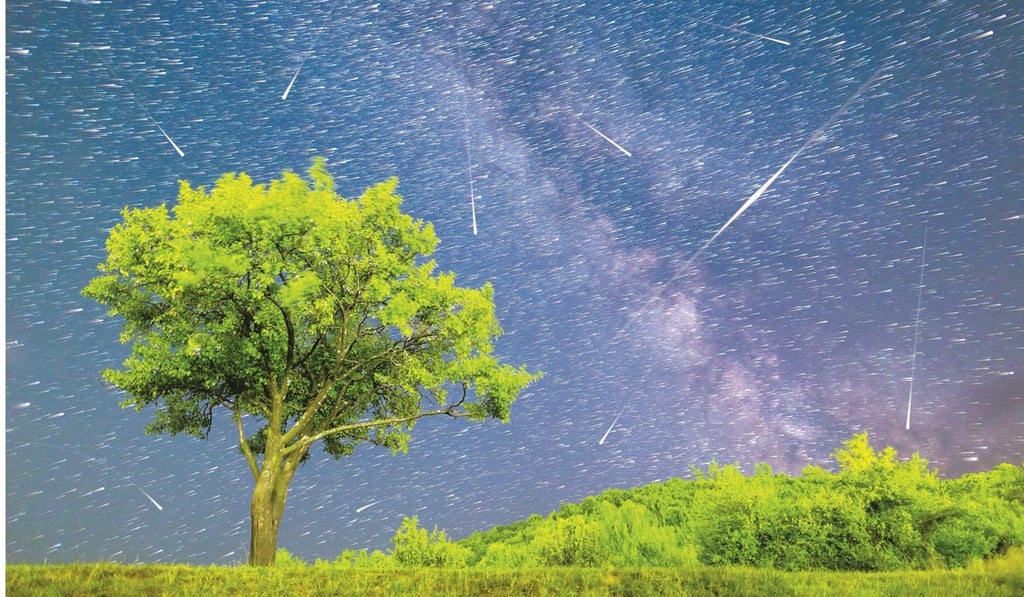
Although the peak of activity is on the night of Wednesday, December 13, and into the small hours of December 14, the Geminid meteor shower begins on December 7, and there will be some activity until December 17.
Since light pollution dulls the visibility of shooting stars,the challenge for observers in urban areas will be to find dark skies. While this isn't usually an easy task in Hong Kong, this year nature is giving a small helping hand. At night, the biggest natural source of light is the moon. It will be waning towards its new moon phase at the time of the meteor shower’s peak, so it won’t interrupt observations.
Photographer defies light pollution to capture stunning night shots of Hong Kong skies
That doesn’t mean you will be able to see the display at its best from the streets of Hong Kong, however. Hong Kong-based landscape photographer and astrophotographer Timmy Wong recommends observers head to either Sai Kung or Shek O to improve their chances.
“Shek O would be an ideal location for residents of Hong Kong Island, who tend to not travel to Sai Kung,” he says. “At Shek O it’s reasonably dark in the southeast and south direction, and it could be romantic to see the meteor shower at the beach.”