The secret to sleeping on ultra-long-haul flights and how to arrive feeling refreshed
With the advent of flights lasting as long as 17 hours, getting enough sleep is vital. From alcohol to exercise, here are some experts’ hacks to ensure you reach your destination feeling fresh

Could you sleep through a 17-hour flight? March saw the inaugural flight of the historic non-stop Qantas flight between Perth and London on a Boeing 787-9 Dreamliner, which left Australia at 7pm and landed in London at 5am. In advance, the airline opened a new International Transit Lounge at Perth Airport featuring soft lighting and even preflight stretching classes, though it’s predictably only for those travelling business class and above.
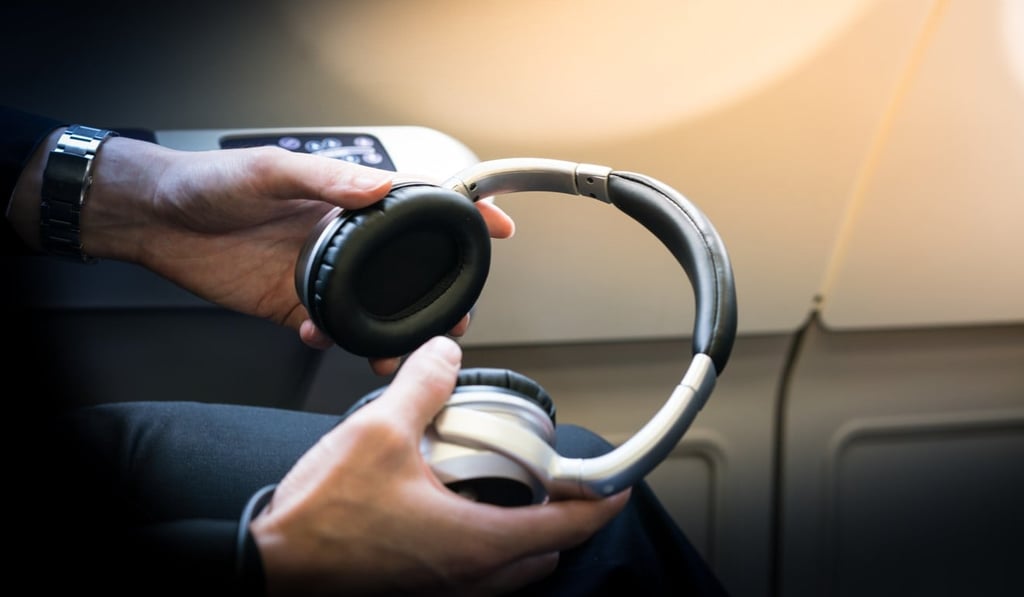
“Noise cancelling headphones are a must – I prefer the ones with ear buds,” he says. “If you turn them on just before you want to sleep you’ll block out all the on-board noise so it creates a beautiful silent vacuum,” he says.
Noise-cancelling headphones use a microphone to measure ambient noise, then produce sound waves that is the opposite phase of that external noise. They’re much more effective at blocking out engine noise than earplugs.
As ultra-long-haul flights take off, where is the new final frontier?
Qantas claims that meal timings on the Perth-London service have been adjusted to encourage sleep, but the tendency for airline staff to switch on the lights in the entire cabin during service can be annoying, and can wake you up just as you have managed to doze off.
If you’re at the back of the plane (which is the quietest place to be), it can mean waiting over an hour for a meal when you could have continued to sleep. Zeiher recommends using a quilted eye-mask. “Due to the quilting this style of mask blocks out more light, and they’re much more comfortable,” he says.