Oman’s new Unesco World Heritage Site: Qalhat, a ruined medieval port city where only one building from its ancient past still stands
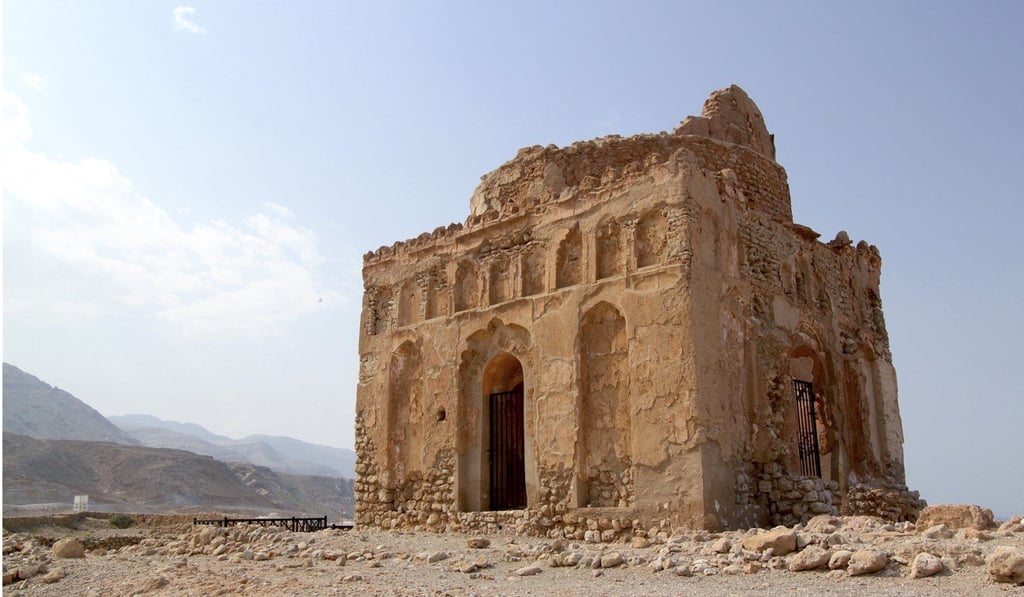
Still in remarkably good condition, the tomb of a 13th-century king’s wife is all that remains in Qalhat, a previously thriving city that dealt in everything from Indian spices and Arabian horses to dates, incense and pearls.

I walk for 10 minutes in Oman’s midday heat, first across a vast, dry riverbed and then on a winding path up a hill. There are no signs, but I know what I’m looking for is here – Google Earth says it is. I reach a hilltop overlooking the Indian Ocean and there it is, surrounded by rubble: the imposing, but visibly decaying, Tomb of Bibi Maryam – the last standing evidence of the ancient city of Qalhat.
With its roof collapsed and everything around it in ruins, the tomb reminds me of other ancient monuments being reclaimed by time. The jungle-covered temple of Ta Prohm at Angkor Wat in Cambodia comes to mind, as do the earthquake-hit temples of Bagan in Myanmar. However, the Tomb of Bibi Maryam has something that neither of those tourist honeypot sites has: almost total isolation.
Few have heard of Qalhat, or the Tomb of Bibi Maryam. The latter is thought to have been built either by Baha al-Din Ayaz, the 13th-century King of Hormuz, in memory of his wife Maryam, or by Maryam herself.
The ruins of a trading port that the tomb overlooks was once a major part of the Hormuz empire between the 11th and 15th centuries, and was visited by two of history’s most famous travel writers: the Moroccan traveller Ibn Battuta, and before him, Italian merchant and explorer Marco Polo on his return to Venice from Kublai Khan’s court at Xanadu in Mongolia.
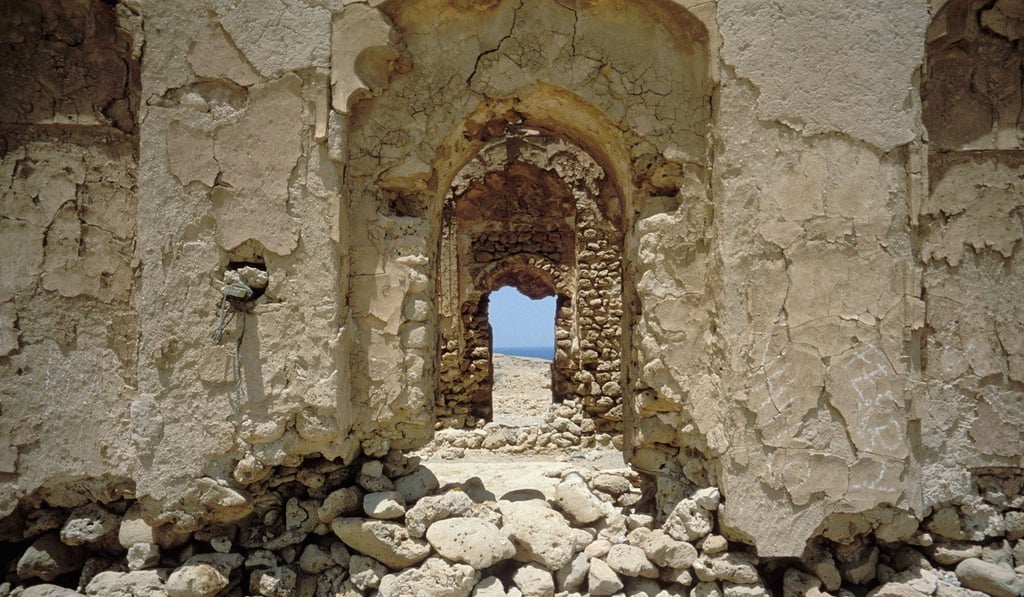
So why was there no one here? The short answer is that Qalhat is a mess. The tomb, its iconic showpiece, is on a hilltop mostly covered in piles of stones, collapsed walls and rubble, with no obvious fences, gates, pathways or roads. It looks striking because there is nothing around it. There is no explanatory sign for visitors; the only evidence that anyone else has ever been here are the iron bars across the entrances to the tomb, and small fences around some objects.