Whale watching: how to do it responsibly, and the five best places to see them
Seeing whales in the wild is one of the most memorable travel experiences you can have, but tour operators should put the welfare of these highly intelligent creatures first

We had endured four hours of rough seas and even rougher stomachs as we sailed deep into the Indian Ocean. The captain told us to watch the horizon for the telltale plumes of spray that shoot from a whale’s blowhole, but so far the only risk of spray was coming from the passengers.
Each time a plume was spotted, the captain revved the engines and headed straight for it. Within a few minutes there would be a call. “On the left side!” Everyone would run to the left. “To the right!” Ditto in the other direction.
By this point, half of the passengers were sitting at the back of the boat with their heads in paper bags. However, the fleeting glances of silvery skin we had got ensured that all 25 of us had seen something of a blue whale, meaning none of us would be getting a 50 per cent refund. The captain, though, kept going, further out to sea and into the storm. I had just read Herman Melville’s Moby-Dick, and the whale-obsessed Captain Ahab sprang to mind. Was this wise?
Then it happened. A huge blue whale surfaced not 20 feet (six metres) in front of the boat. It floated there for what seemed like several minutes (but was probably closer to 30 seconds), looking at all of us with an eye the size of a tennis ball. This was the moment. It was worth the wait, worth the 5.00am start, worth even the stomach-churning ride to get here.
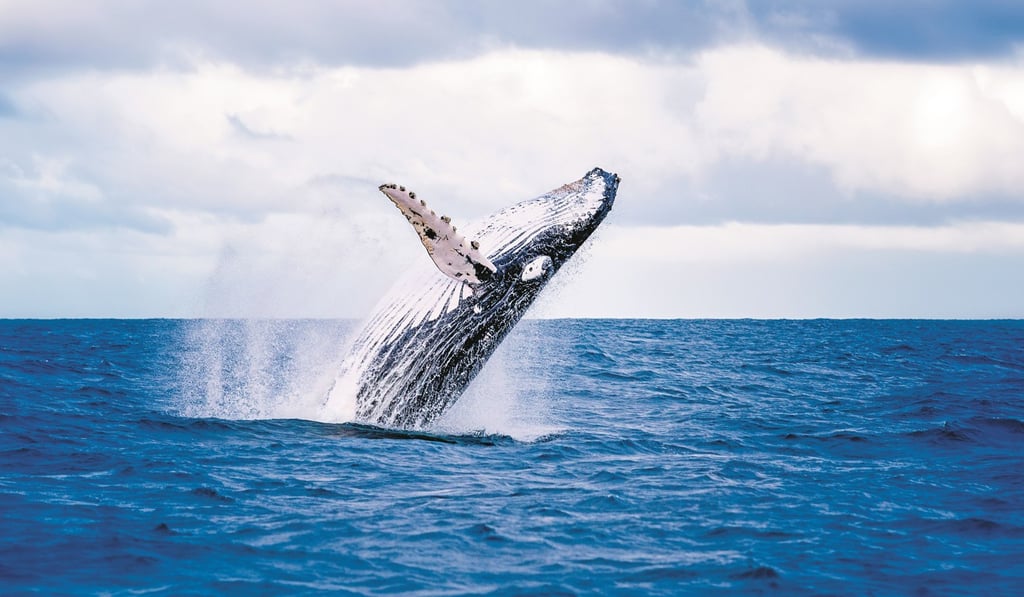
“Watching whales in the wild is one of the most memorable travel experiences you can do,” says Justin Francis, chief executive officer and founder of Responsible Travel. “Seeing these magnificent, highly intelligent creatures in their natural habitat – rather than in captivity – is the only way to do it in my view.”