-
Advertisement
Asia travel
LifestyleTravel & Leisure

Unethical wildlife tourism: one small victory as elephants walk to freedom on Thai island of Koh Samui

  • Holidaymakers who ride elephants or take selfies with tigers and dolphins may not be aware of the cruel treatment these wild animals suffer at hands of trainers
  • Hundreds of people lined the roads of Koh Samui recently to see two elephants freed from carrying tourists through its jungle walk to their new sanctuary home

Reading Time:5 minutes
Why you can trust SCMP
Lek Chailert (foreground) accompanies elephants Sri Nuan and Somboon on their walk to a sanctuary in Koh Samui, Thailand, that is their new home, their days of taking tourists on rides finally over. Charity World Animal Protection estimates 110 million people take part in wildlife tourism that involves cruelty every year. Photo: Barton Walsh
Kylie Knott
It took nine hours for 58-year-old Sri Nuan and 30-year-old Somboon to complete their 20km freedom walk on the Thai resort island of Koh Samui. Along the way the two Asian elephants – the older one toothless and in poor condition, the other 17 months pregnant – were fed watermelon, pineapple and bananas by the many islanders and tourists who, under the glow of a full moon, lined the roads to watch their heart-warming journey.

Their time spent carrying tourists through the island’s jungles, or shackled in chains to prevent them escaping, had come to an end at last.

“It was beautiful to see so many locals, tourists and expats join us on the elephants’ walk to their new home,” says Lek Chailert, founder of non-profit Save Elephant Foundation, which was a main player in the rescue.
Advertisement

She was joined by Suriya Salangam, founder of Samui Elephant Haven, the sanctuary the two elephants now call home along with others rescued from jobs including logging, giving tourists rides, street begging and performing in circuses.
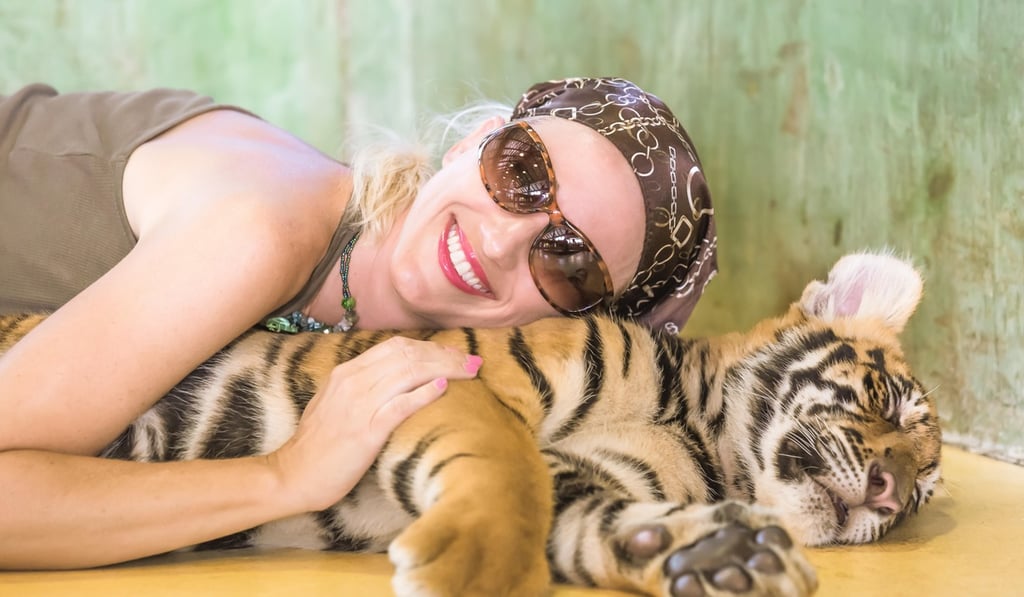
A woman poses with a tiger. The selfie trend is prompting tourists to get unnaturally close to captive wild animals, which have often suffered cruel training methods. Photo: Alamy
Advertisement

The freedom walk in May was a small victory for campaigners fighting unethical practices in the wildlife tourism industry.

Research by the University of Oxford’s Wildlife Conservation Research Unit (WildCRU), commissioned by World Animal Protection, an international animal welfare charity, found that up to 550,000 wild animals worldwide suffer because of irresponsible tourist attractions. World Animal Protection estimates 110 million people worldwide visit cruel wildlife tourist attractions annually, but says most are unaware of the animal abuses involved.

Advertisement
Select Voice
Select Speed
1.00x