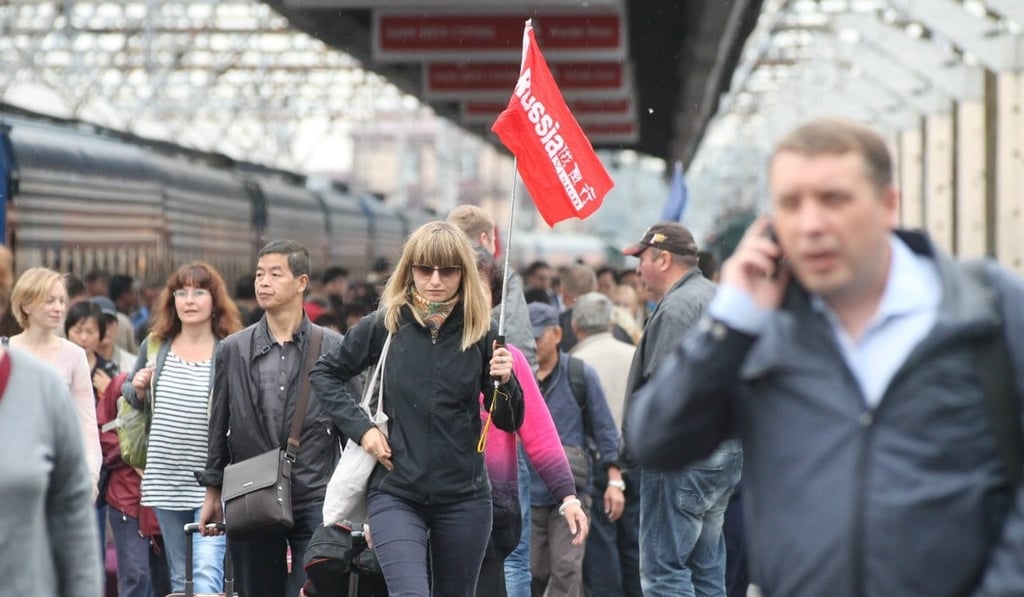
How Chinese in Russia pried the China tourism trade from Russian companies’ hands, and why tour guides don’t miss their absence amid coronavirus
- Until the coronavirus pandemic shut tourism down, half the foreign visitors to Russia were from China. Now they’ve all disappeared, leaving empty streets
- Chinese-speaking Russian tour guides don’t mourn their absence, having already been edged out by cut-price Chinese operators

Until a few months ago, roughly half of all foreign tourists in Russia were Chinese. Then, in January, Chinese tour groups vanished from the streets of Moscow and St Petersburg after Russia banned the entry of Chinese citizens following the coronavirus outbreak.
While the pandemic is a catastrophe for the country’s tourism industry, one group is indifferent to the losses the absence of Chinese visitors will cause – Russian tourism businesses that once benefited from their influx but which, local guides say, have been squeezed out of the market by Chinese operators who cut prices and corners.
For these businesses, even before the outbreak the Chinese bonanza was nothing like what they had hoped for.
Few Chinese-speaking Russian guides lament the sudden disappearance of Chinese tourists. On the contrary, they hope that by the time the Chinese return, a law will have been passed which allows only Russian citizens to work as guides. That way, they can earn a living from Chinese tourism once more, while Chinese visitors can again enjoy high-quality, rather than bare-bones, tours.
The popularity of Russia as a destination stems from the affection that many Chinese – especially the older generation – feel for the country. The Soviet Union was once China’s Big Brother, and educated Chinese tend to be well versed in Russian literature and history.