When Seoul had only two tourist hotels – and visitors who chose the downtown one risked malaria and a noisy awakening
- The Korean capital was a modern city at the turn of the 20th century, but Western tourism was in its infancy and there was only one tourist hotel
- Then a Frenchman built another that was more central, but low-lying, and where guests risked getting malaria and being woken by military parades

By Robert Neff
At the dawn of the 20th century, Seoul was one of the most modern cities in Asia. Trams conveyed passengers from one end of the city to the other, shops were filled with imported goods, and the luxuries of telephones and electricity were slowly but surely being introduced. In September 1899, a railway connected the capital with Jemulpo (modern-day Incheon) and, as a result, more tourists began to visit Seoul.
Despite its many Western modernisations, Seoul was not ready for Western tourism; the only accommodation available to tourists was in the homes of expatriates, their respective legations, Japanese or Chinese inns or at Emberley’s Boarding House, a small establishment operated by an English couple.
Realising the opportunity, Friedrich A. Kalitzky, a Polish merchant, contemplated establishing a small hotel near Deoksu Palace, and an American firm toyed with the idea of building a “summer hotel” along the Han River. For reasons unknown, though, these schemes were soon abandoned.
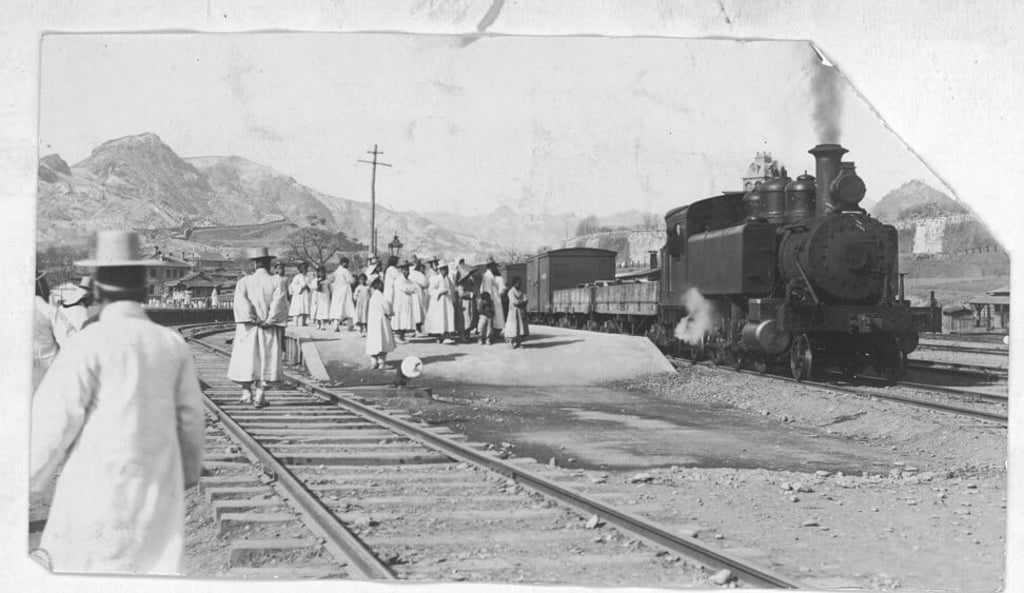
The Emberleys expanded their boarding house into a small but very successful hotel near Seodaemun Station, appropriately named Station Hotel. Their hotel monopoly was broken in May 1901, when Rondon, a French merchant, established the Hotel du Palais. By the end of the month, the hotels were in fierce competition.