World Blind Union campaigns for access to digital world
The recent World Blind Union conference held at Cyberport highlighted how the digital divide is holding back the visually impaired. Sarah Lazarus speaks to six delegates who are driving social change
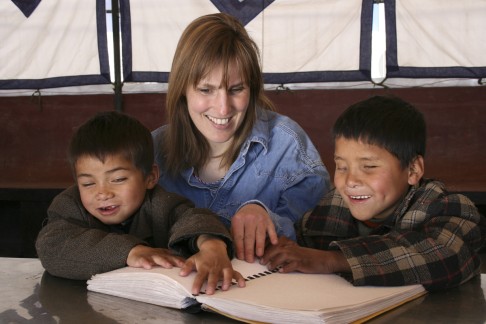
What would life be like if you couldn't see?
It's an age-old question but these days it extends far beyond the obvious concern of how to cross a busy road, to how to succeed in the world of the sighted by crossing the digital divide.
Blind people from more than 20 Asia-Pacific nations recently gathered in Hong Kong to address issues including the dearth of books and websites accessible to the blind, and new technology-based initiatives that can empower the visually impaired. At the regional conference of the World Blind Union, an umbrella organisation that speaks to governments and international bodies on issues affecting the blind and visually impaired, delegates provided a reality check on what life is like for the estimated 90 million in the Asia-Pacific area who cannot see well.
If you're from a poor country, you're much more likely to be blind in the first place. Eighty per cent of all visual impairment can be prevented or cured. As a consequence, 90 per cent of the world's visually impaired come from low-income backgrounds, and there's a much higher incidence in developing countries.
If you're blind, you're more likely to have experienced prejudice. In many poor countries, superstitious belief systems mean that the blind are socially stigmatised. And it's highly unlikely that you'll have gone to school - nine out of 10 blind children in developing countries have no access to education.
Wealthier societies, like that of Hong Kong, offer better health care, superior facilities and greater social acceptance. However, the blind face deeply entrenched problems that are common to both rich countries and poor.