Profile | How an American social entrepreneur empowers women genocide survivors in Rwanda, and the early disaster that only strengthened her resolve
- Elizabeth Dearborn Hughes co-founded the Akilah Institute in 2010 to help young women in Rwanda become entrepreneurs in the country’s new tech-based economy
- Now she’s working on replicating the idea in Hong Kong to serve refugee and ethnic minority students

I was born in Tampa, Florida, in 1984, the eldest of four girls. I grew up in a very Southern American family. On both sides of the family there are deep Alabama roots, we are very southern – a very Christian tight-knit community, politically conservative but also religious and spiritually very conservative.
I never really left the States as a kid and Florida and Alabama were the centre of our universe. My dad is a lawyer and mum was a mum, and I grew up in a very insulated bubble.
Our extended family has been fostering for a long time and there were always little kids coming and going, which made for a loud household. Our world revolved around amazing adventures with our friends in Tampa and going to Alabama and going to the country club.
Crimes against humanity
In 2002, I went to Vanderbilt University, in Nashville, Tennessee – the heart of the Bible Belt and country music – so it was football and sorority parties. I studied political science and human and organisational development. At the beginning of college, I assumed I would stay in the south.
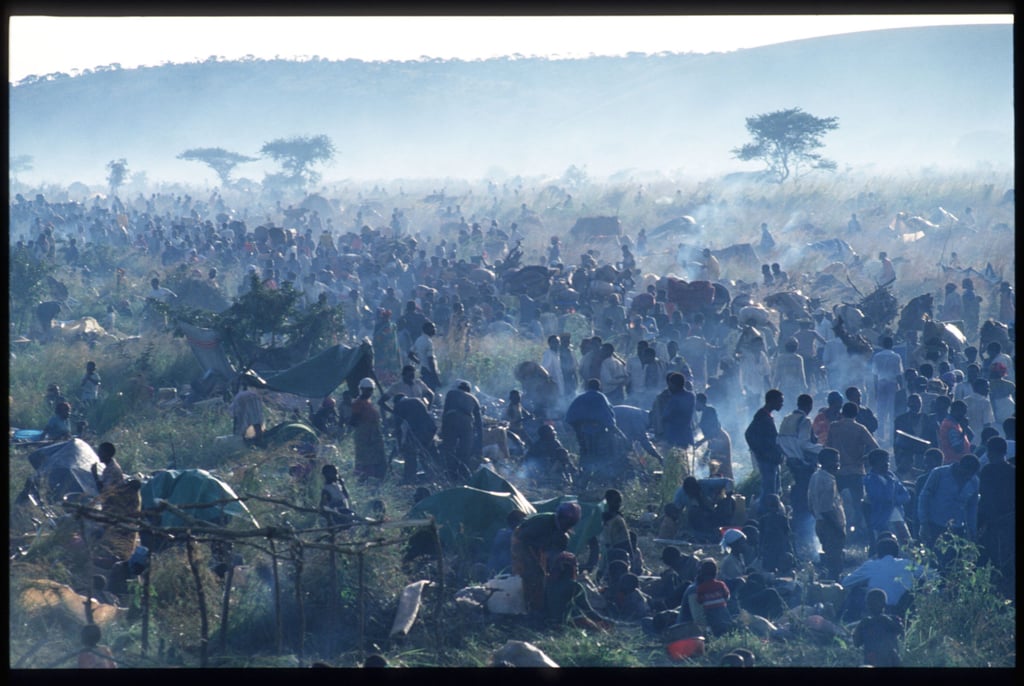
I was a sophomore in college when I heard about the Rwandan genocide in 1994, when a million people were killed in 100 days; it was the first time I’d even heard the word “genocide”. In 2004, I read an article in The Economist magazine about the international criminal tribunal, which was focused on the legal ramifications of trying the men who had masterminded and led the genocide against the Tutsis. I was horrified that it had happened and that I didn’t know about it.
I ripped a picture of Théoneste Bagosora, the head of the military during the war, out of the magazine and put it on my wall. It reminded me that there is horrendous evil in the world. My interest was from a legal perspective – what are we doing as an international community to prevent war crimes against humanity?
Rwanda bound
As I was learning about Rwanda, the Darfur genocide was happening. I got involved in raising money and bringing Sudanese refugees to the campus at Vanderbilt and helping resettle those who had been brought over to Nashville. There was a huge student movement in the United States to raise money and lobby the government to take action in Darfur and this was the primary focus of my last three years at university.