Why Tibetan singers trek to Chinese city Chengdu in search of global fame
Chengdu’s thriving music scene offers promise of the big time, but the reality of life as a professional musician is often far from glamorous

They come to the big, bustling, modern city chasing dreams. From towns and villages in Kham and Amdo – vast swathes of historical Tibet that now overlap the Chinese provinces of Sichuan, Gansu, Qinghai and Yunnan – they pour into Chengdu, often with little more than the name of a nightclub where they might seek an audition, or of a cousin, a distant relative or a friend of a friend.
Many come from nomadic families for whom borders have traditionally meant little. Speaking different dialects and with varying proficiency in Mandarin, they head for Chengdu’s Wuhou district, which boasts a large Tibetan presence. It is here that the best singers and musicians among them might build new lives, performing in bars and clubs specialising in Tibetan song and dance.
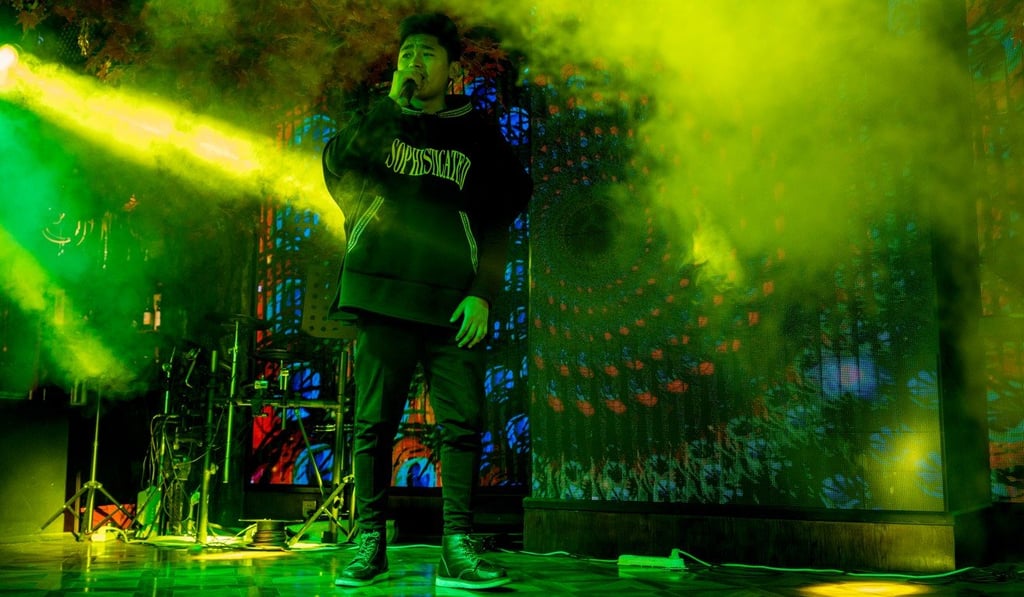
With an urban population topping 10 million, Chengdu, the capital of Sichuan, is far removed from the wide open spaces of the Tibetan plateau, where home might change with the season. In Chengdu, a performer’s accommodation is usually a cheap flat, perhaps little more than a bleak, concrete box, with peeling paint and cracks in the walls, costing 500 yuan (US$72) or so a month; or a shared dormitory above the place where he or she works each night until 2am or 3am.
It’s a world where stardom is, in theory, only a song away, but one that is populated by the artists’ fellow Tibetan countrymen and women – people far from home
Typically, the salary will barely cover rent; performers’ earnings are boosted by receiving khata, silk scarves of red, gold or green that equate to tips paid by patrons in amounts ranging from 100 to 500 yuan. Customers pay for the khata, which the singers turn in to the club at the end of the night. The value is tallied and the performers receive their bonus.