ReviewJames Joyce-like novel about Japanese genocide of Taiwan tribes is a tough read, but worth the effort
Award-winning Remains of Life, written without chapters or paragraphs, is a technically daunting account of a terrible event from Taiwan’s occupation that has taken 18 years to publish in English, and it’s not hard to see why

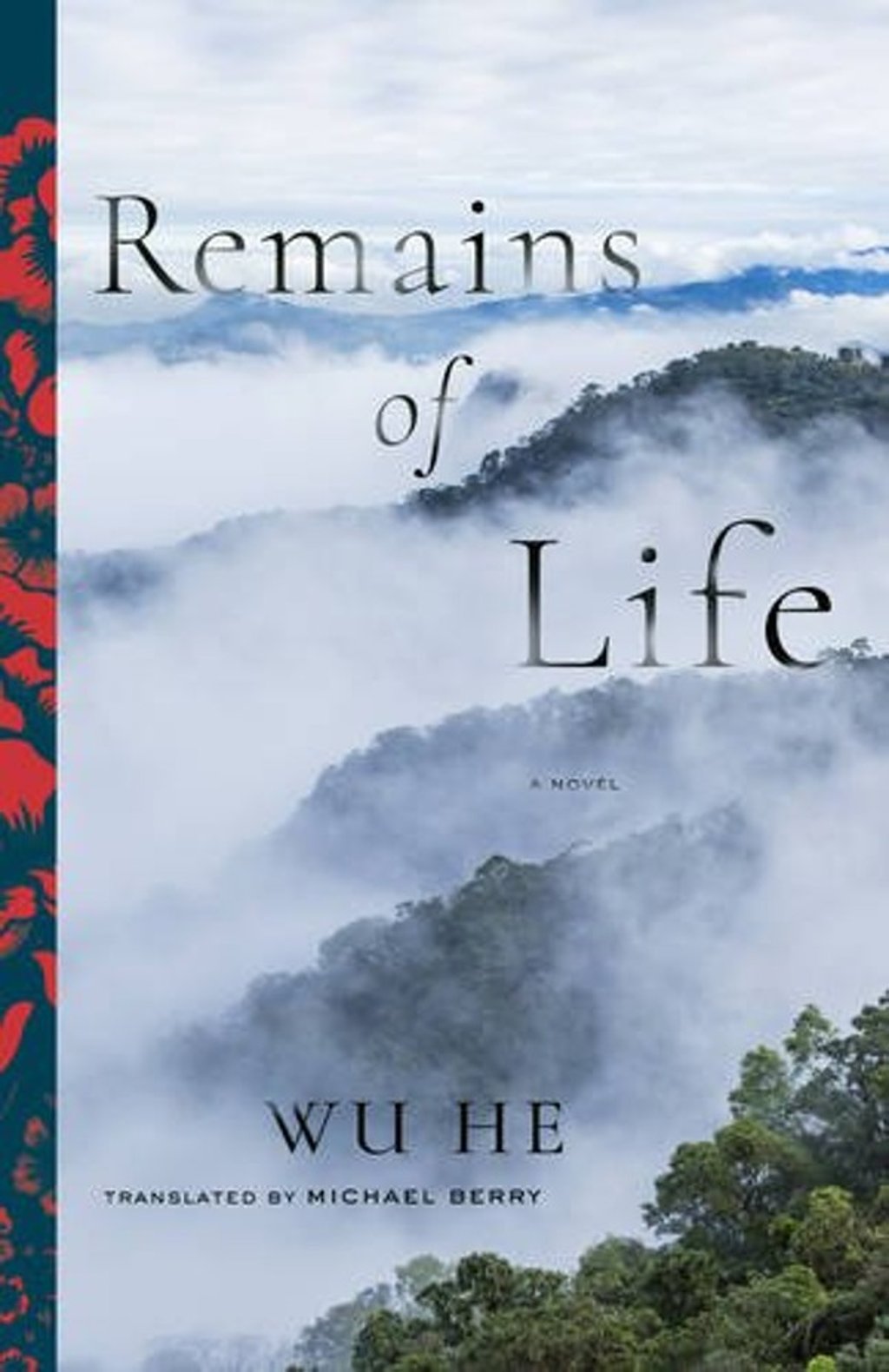
by Wu He
Columbia University Press
It’s taken 18 years for Wu He’s critically lauded Remains of Life to appear in English translation, and a glance at the text readily explains this delay.
This is an avowedly experimental novel that revolves around one dreadful event. On October 27, 1930, at a sports meeting at Musha Elementary School, on an aboriginal reservation in the mountains of Taiwan, a bloody uprising took place against the Japanese. By noon, the headhunting ritual had left 134 of the occupiers decapitated. The colonial power’s response was to mobilise a 3,000-strong militia, roll out the heavy artillery, put planes in the air and deploy poisonous gas in a ferocious act of genocide that saw the near extermination of the Seediq tribes.
The Musha Incident, as it came to be known, had been forgotten by many Taiwanese, but the book led to a resurgence in interest, and a new evaluation of its significance.
Remains of Life has little concern for orderly narratives or neat conclusions: it has no chapters or paragraph breaks, and few full sentences. It combines a historical study of the Musha Incident, the Seediq and surviving tribe members (the “remains of life”), philosophical ruminations on time, the human condition, history, sexuality and violence, and sudden lurches into fantasy and even metafiction.