ReviewAn Irishman in colonial India’s ill-fated enterprise: the rise and fall of Asia’s first newspaper, as told in new book
Andrew Otis’s non-fiction debut chronicles the short lifespan of Hicky’s Bengal Gazette, a provocative English language weekly that played a role in bringing the East India Company under the control of the British government

Hicky’s Bengal Gazette
by Andrew Otis
Westland
Hicky’s Bengal Gazette meticulously chronicles the swift rise and precipitous decline of the first newspaper to be printed in Asia. James Augustus Hicky, a temerarious Irishman looking to make his fortune in India, began printing the Bengal Gazette in Calcutta (now Kolkata) on January 29, 1780. But just over a year later, he was charged with three counts of libel against Warren Hastings, the governor-general of India and the most powerful Englishman in the country, leading to legal dramas that finally closed the paper on March 23, 1782.
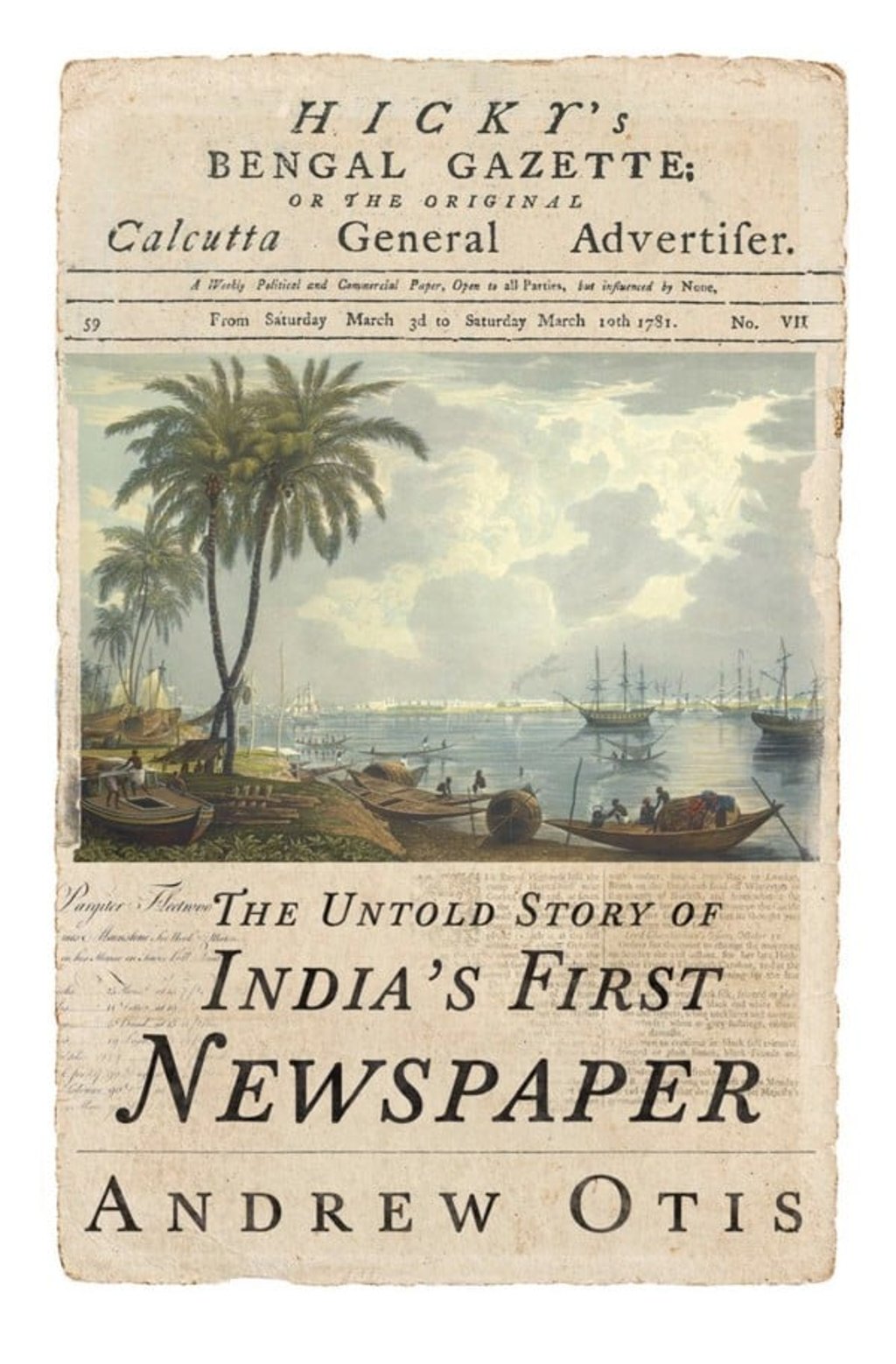
At a time when massive fortunes could be amassed through obedience to the East India Company, Hicky’s decidedly undiplomatic mission of exposing the corruption and imperialist obsessions that underlined the company’s agenda was subversive.
Hicky’s Bengal Gazette – the non-fiction debut by scholar Andrew Otis – is weighty material, given that various facets of colonial history are inextricable from each other. However, Otis’ book is not weighed down by its narrative and moves with the ease of fiction.
Some readers may take issue with the focus on a group of historical figures and wish for some authorial meandering (which can be pleasurable in books about history) but Hicky’s Bengal Gazette remains a compelling read all the way through to its elegiac conclusion.