Chinese science fiction’s diversity celebrated in stories of zombie apocalypse, migration in space and AI-human interaction translated into English
- ‘There are lots of writers out there who aren’t getting read in English – and should be,’ says Xueting Christine Ni, who has translated 13 short stories
- Among them are tales by new authors such as A Que, with a comic zombie apocalypse story, and established ones such as Ma Boyong and Wang Jinkang

Sinopticon: A Celebration of Chinese Science Fiction, translated and edited by Xueting Christine Ni, pub. Rebellion Publishing
Sinopticon: A Celebration of Chinese Science Fiction may change that. A collection of 13 stories translated by Guangzhou-born writer Xueting Christine Ni, it aims to highlight the diversity in kehuan (science fiction), a genre that has excited Chinese readers since the beginning of the 20th century, when father of modern Chinese literature Lu Xun began translating the works of sci-fi giants including H.G. Wells and Jules Verne.
“There is now a mushrooming, an explosion of Chinese science fiction,” says Ni. “We don’t know at any given time who is publishing what. There are lots of writers out there who aren’t getting read in English – and should be.”
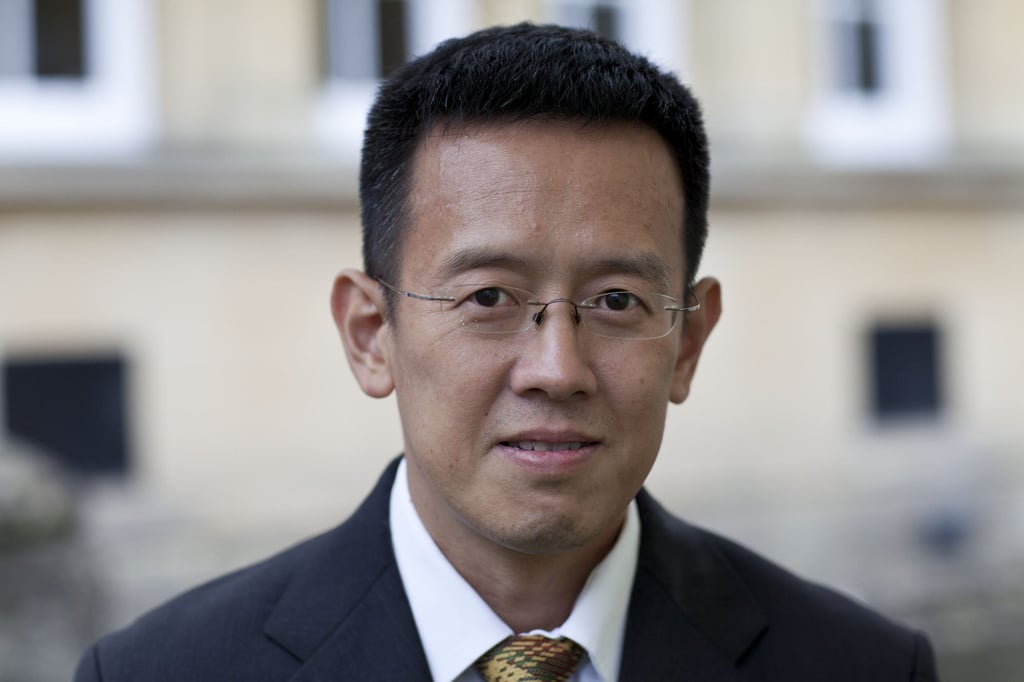
While stalwarts such as Wang Jinkang and Han Song, born in 1948 and 1965, respectively, make it into the collection, Ni, a Chinese culture and innovation commentator, also includes voices from a new generation of writers. Among them is Chengdu-based A Que, whose “Flowers of the Other Shore” is a zombie apocalypse story raucously funny in parts but also an emotional roller coaster (the living dead protagonist unexpectedly recovers from a killer virus).