How Chinese sweet and sour pork evolved via British takeaways to become a dish ‘everyone just likes’, and the Hong Kong chefs serving twists on the dish
- Adored everywhere, sweet and sour pork has its origins in imperial Shanghai, from where it spread to Cantonese cuisine and eventually the UK
- Hong Kong chefs chart the dish’s history and reveal how the availability of ingredients and diners’ preferences have influenced the versions they cook today

Sweet and sour pork is the most entry-level of Chinese dishes. Few people, young or old, can resist the combination of deep-fried cuts of meat cloaked with that enticingly tangy sauce.
The origins of this dish, however, are a bit murky because there are several lines of evolution. But one thing is for sure and that is that the dish originated in China, took a journey around the world and came back to Hong Kong stronger than ever.
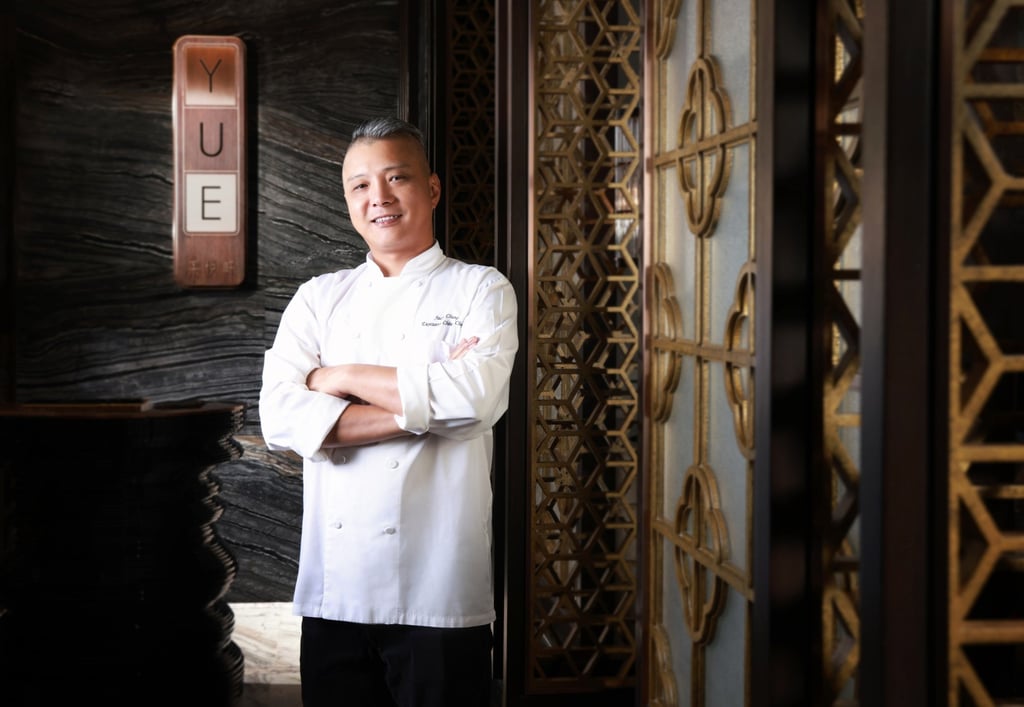
“It actually evolved from a dish made with spare ribs braised in sugar and vinegar. It was a Shanghainese dish that used to be served to the emperor. Later, it spread across the country and became a part of Cantonese cuisine,” explains Jacky Chung Chi-keung, executive chef of Yue in Tung Chung, Lantau.
“In the 60s or even earlier, Western people learned about this dish. Westerners thought it was not well-mannered to spit out bones, so the chefs used pork shoulder instead.”
“Back in the day, the standard of living was not very high,” Cheng recalls. “I remember when my mum made sweet and sour pork for the family, she would only use pork fat.